Overview
School phobia is not an official diagnosis in the DSM-5-TR or ICD-11. Instead, it is a commonly used term that describes intense fear, anxiety, or emotional distress related to attending school. Mental health professionals often view school phobia as part of broader concerns such as school refusal, separation anxiety, social anxiety, generalized anxiety, or other emotional or behavioural difficulties.
Many children occasionally say they do not want to go to school, especially after holidays, during examinations, or after difficult experiences. However, when fear becomes persistent, leads to repeated school absences, causes significant emotional distress, or affects a child's education and social development, professional assessment may be beneficial.
School-related anxiety can affect emotional well-being, academic performance, friendships, family relationships, and self-confidence. Early intervention helps identify the underlying reasons for school avoidance and supports children in returning to school through evidence-based strategies tailored to their individual needs.
What Is School Phobia?
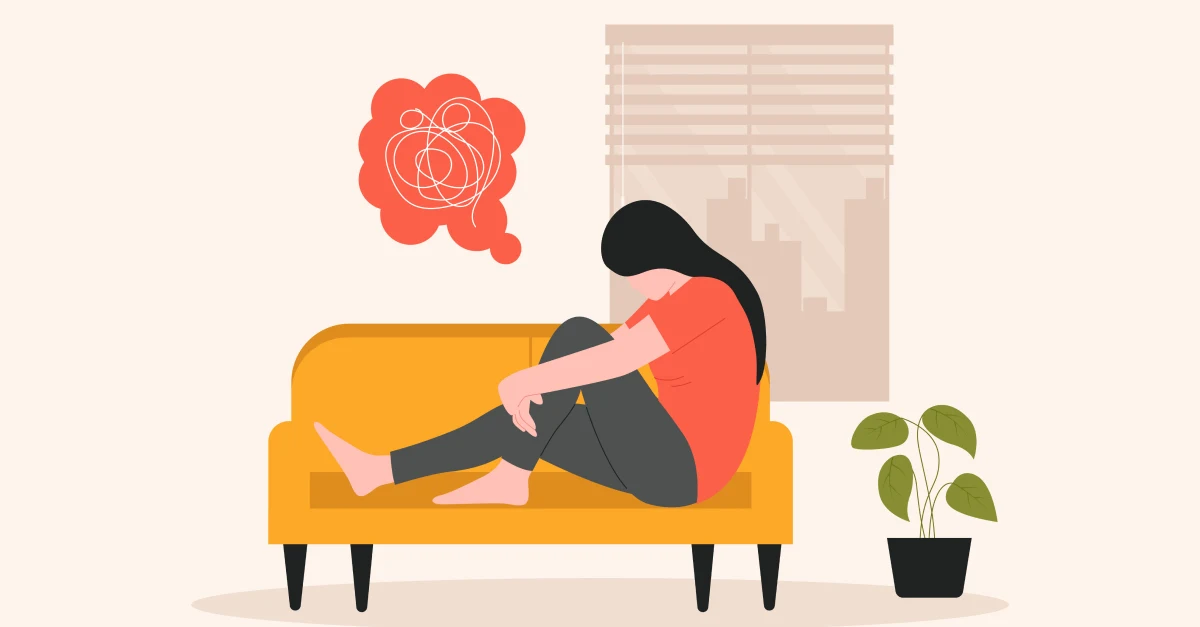
School phobia describes significant emotional distress or anxiety associated with going to school. Children experiencing school phobia are not simply being "lazy" or "stubborn." Their fear is genuine and may feel overwhelming.
The distress may appear before leaving home, during the journey to school, or while attending classes. Some children cry, cling to parents, complain of headaches or stomach aches, or become extremely anxious when it is time to attend school.
School phobia differs from occasional reluctance to attend school because the fear is persistent, intense, and begins to interfere with learning, daily routines, emotional well-being, or family life.
Children of different ages may experience school-related anxiety for different reasons, including separation from parents, fear of bullying, academic pressure, social concerns, or stressful life events.
Understanding School Phobia
School phobia usually develops through a combination of emotional, psychological, environmental, family, and social factors rather than a single cause.
A child may begin associating school with fear after experiencing bullying, academic struggles, separation from caregivers, social rejection, or stressful life events. Over time, avoiding school may temporarily reduce anxiety, making avoidance more likely to continue.
Children with anxiety disorders, perfectionistic tendencies, or difficulty coping with change may be more vulnerable to developing school-related fears.
Supportive family relationships, positive school experiences, and early intervention often help children gradually rebuild confidence.
How School Phobia Can Present Differently
Because school phobia is not a formal diagnosis, it may appear in different ways depending on the child's age and underlying concerns.
Separation-Related Difficulties
Some younger children experience intense anxiety about being away from parents or caregivers.
Social Anxiety
Some children fear speaking in class, making friends, or being judged by peers.
Academic Anxiety
Fear of tests, failure, or high expectations may contribute to school avoidance.
Bullying-Related Difficulties
Children who have experienced bullying may become fearful of returning to school.
Emotional Difficulties
Depression, anxiety, or stressful family situations may contribute to reluctance or refusal to attend school.
Symptoms
Symptoms vary from one child to another.
Emotional Symptoms
- Intense fear before school
- Anxiety
- Frequent crying
- Irritability
- Panic
- Sadness
- Low confidence
Behavioural Symptoms
- Refusing to attend school
- Clinging to parents
- Frequent requests to stay home
- Avoiding school-related conversations
- Difficulty leaving the house
- Tantrums before school
Cognitive Symptoms
- Constant worry about school
- Fear of failure
- Fear of embarrassment
- Negative thoughts about classmates or teachers
- Difficulty concentrating
Physical Symptoms
- Stomach aches
- Headaches
- Nausea
- Rapid heartbeat
- Sweating
- Trembling
- Fatigue
These symptoms often improve after the child is allowed to stay home.
Social Symptoms
- Withdrawal from friends
- Avoiding school activities
- Reduced classroom participation
- Difficulty making friendships
- Social isolation
When Should You Seek Help?
Professional support may be helpful if:
- School refusal continues for several days or weeks.
- Anxiety becomes severe.
- School attendance is consistently affected.
- Academic performance declines.
- Physical complaints occur regularly before school.
- The child appears emotionally distressed.
- Family conflict increases around school attendance.
- Bullying or social difficulties are suspected.
- Parents feel unsure how to support their child.
Causes & Risk Factors
School phobia usually develops because of multiple interacting factors.
Psychological Factors
- Anxiety
- Perfectionism
- Low self-confidence
- Fear of failure
- Emotional sensitivity
Family Factors
- Separation anxiety
- Family conflict
- Major life changes
- Overprotective parenting (in some cases)
School Factors
- Bullying
- Academic pressure
- Difficult teacher relationships
- Learning difficulties
- School transitions
Social Factors
- Friendship problems
- Peer rejection
- Social anxiety
- Difficulty fitting in
Lifestyle Factors
- Poor sleep
- High stress
- Limited emotional coping skills
How Is School Phobia Assessed?
Since school phobia is not an official diagnosis, assessment focuses on identifying the underlying emotional, behavioural, developmental, or psychological concerns contributing to school avoidance.
Assessment may include:
- Clinical interview with parents and child
- Developmental history
- Medical history
- School attendance history
- Family history
- Behavioural observations
- Emotional assessment
- Functional assessment
- Screening for anxiety, depression, ADHD, learning difficulties, or autism spectrum disorder when clinically appropriate
The goal is to understand the child's unique needs and develop an individualized support plan.
Treatment Options
Treatment depends on the child's age, underlying concerns, and the factors contributing to school avoidance.
Psychoeducation
Helping children and parents understand anxiety and school-related fears can reduce confusion and promote healthy coping.
Cognitive Behavioural Therapy (CBT)
CBT is one of the most effective psychological treatments for school-related anxiety. Children learn to:
- Identify anxious thoughts
- Challenge unhelpful beliefs
- Develop coping strategies
- Build confidence
- Gradually return to school
Acceptance and Commitment Therapy (ACT)
ACT may help older children and adolescents learn to accept uncomfortable emotions while taking meaningful steps toward valued goals, such as attending school.
Exposure-Based Interventions
When clinically appropriate, gradual and carefully planned exposure to school situations can help reduce anxiety over time. Exposure plans are always individualized and guided by a qualified mental health professional.
Family Therapy
Parents play a vital role in supporting children with school-related anxiety. Family therapy may help:
- Improve communication
- Reduce conflict
- Build supportive routines
- Strengthen coping skills
- Encourage gradual school attendance
Medication
Medication may be considered when anxiety or another mental health condition is significantly affecting the child's daily functioning. Medication should only be prescribed and monitored by a qualified psychiatrist or physician after a comprehensive assessment. Not every child experiencing school phobia requires medication.
Lifestyle Interventions
Healthy routines support emotional well-being.
Exercise
Regular physical activity can reduce stress and improve mood.
Sleep
Consistent sleep routines help children regulate emotions.
Nutrition
Balanced meals support physical and emotional health.
Daily Routine
Predictable routines often reduce anxiety.
Stress Management
Relaxation exercises, breathing techniques, and mindfulness may help children manage anxious feelings.
Coping Tips for Parents & Children
Helpful strategies include:
- Listen without judgment.
- Validate your child's feelings.
- Avoid punishment for anxiety.
- Maintain consistent morning routines.
- Encourage gradual school attendance.
- Work closely with teachers.
- Celebrate small successes.
- Practice relaxation exercises.
- Ensure healthy sleep habits.
- Limit reassurance-seeking when appropriate.
- Focus on problem-solving rather than avoidance.
- Seek professional support early if concerns continue.
Frequently Asked Questions
Is school phobia a mental disorder?
No. School phobia is not an official DSM-5-TR or ICD-11 diagnosis. It is a commonly used term describing significant fear or anxiety related to attending school.
What causes school phobia?
School phobia may develop due to anxiety, bullying, separation concerns, academic stress, social difficulties, or other emotional challenges.
Can school phobia be treated?
Yes. Many children experience significant improvement with evidence-based psychological interventions and family support.
Is school refusal the same as school phobia?
Not always. School refusal describes difficulty attending school, while school phobia refers specifically to intense fear or anxiety associated with school.
Can bullying cause school phobia?
Bullying may contribute to school-related anxiety and avoidance in some children.
Can therapy help?
Yes. Cognitive Behavioural Therapy (CBT) and family-based interventions are commonly recommended.
Does my child need medication?
Not necessarily. Medication is only considered when clinically appropriate and should be prescribed by a qualified psychiatrist.
How long does treatment take?
Treatment varies depending on the child's needs, underlying concerns, and response to therapy.
Should I force my child to attend school?
Every situation is different. Professional guidance can help families develop an appropriate return-to-school plan that balances support with gradual exposure.
When should I seek professional help?
If school avoidance persists, anxiety becomes severe, or your child's emotional well-being or education is being affected, seeking professional assessment is recommended.
Why Choose Mantraminds?
At Mantraminds, we recognize that every child's experience is unique. Our multidisciplinary team works closely with children, adolescents, families, and schools to understand the underlying reasons for school-related anxiety and create individualized treatment plans. Our services include:
- Comprehensive psychological assessments
- Child and adolescent psychological services
- Clinical psychologists
- Counselling psychologists
- Psychiatric consultation when appropriate
- Parent guidance and family support
- Individualized therapy plans
- Confidential care
- Online and in-person consultations
We are committed to helping children regain confidence, improve emotional well-being, and return to learning in a supportive and compassionate way.
Book Your Consultation
If your child is experiencing persistent fear, anxiety, or emotional distress related to attending school, early support can make a meaningful difference. Understanding the underlying cause is the first step toward helping your child feel safe, confident, and engaged in learning again.
At Mantraminds, our experienced mental health professionals provide evidence-based assessment and personalized care for children and families facing school-related emotional challenges. Together, we can help your child build confidence, reduce anxiety, and thrive both in school and beyond.