
The Importance of Effective Communication in Building a Strong Parent–Child Relationship
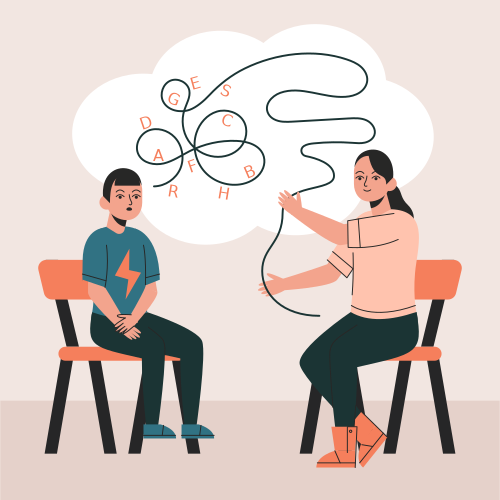
A healthy parent–child relationship is one of the most important foundations of a child's emotional, social and psychological development.
Insights, perspectives, and expert guidance on mental health and well-being.

A healthy parent–child relationship is one of the most important foundations of a child's emotional, social and psychological development.

School plays an important role in a child's academic, emotional, social and psychological development.

Emotional development is an essential part of childhood. As children grow, they gradually learn to recognise their feelings, communicate emotional needs, manage frustration and respond…

Childhood is a crucial stage of emotional, social and psychological development.

Does your child get distracted easily, struggle to complete homework, or find it difficult to follow instructions? Do you often find yourself repeating the same instructions or…

Every child learns at a different pace. While some children quickly understand reading, writing, and mathematical concepts, others may need more time, repetition, or individual…

Childhood is an important period of learning, behavioural development and emotional growth.

Have you ever wondered why some experiences continue to affect us long after they have passed? A difficult childhood, the loss of a loved one, emotional neglect, workplace harassment,…

Examinations are an inevitable part of academic life. While some level of stress can motivate students to prepare and perform well, excessive exam stress can negatively impact mental…

If you are struggling with chronic stress, emotional exhaustion, burnout, anxiety, or persistent emotional difficulties, you may be wondering:

Mental health is often viewed as a personal matter—something influenced by our thoughts, emotions, relationships, and life experiences. While these factors are important, there is another…

Many people believe they should only seek therapy when they are experiencing a major crisis. However, mental health challenges often develop gradually. What starts as occasional stress,…

It's a phrase we hear everywhere—from social media posts to advertisements encouraging us to buy, consume, and indulge. While taking care of ourselves is important, not everything that…
When people seek help for stress, anxiety, depression, or other emotional difficulties, one of the most common questions they ask is:

Psychological growth through therapy refers to the process of gaining deeper self-understanding, improving emotional health, developing healthier coping strategies, and creating positive…

If you have ever wondered whether what you're experiencing is "normal stress" or something that may require professional attention, a mental health assessment can provide clarity.

For many students, examinations are not simply assessments of academic knowledge. They are often linked to future opportunities, family expectations, personal goals, and self-worth. As a…

If you're experiencing stress, anxiety, depression, emotional difficulties, or relationship challenges, you may wonder whether you should consult a Clinical Psychologist, Counselling…

If you are experiencing persistent sadness, loss of interest in activities, fatigue, hopelessness, or difficulty functioning in daily life, you may be wondering what treatment options are…

If you're experiencing persistent stress, anxiety, depression, emotional difficulties, or behavioral changes, you may wonder whether what you're feeling is normal—or whether you should seek…

Life is unpredictable. Whether it is a personal loss, relationship difficulties, health concerns, academic pressure, workplace stress, financial uncertainty, or major life transitions,…

Imagine waking up and checking your phone before even getting out of bed. A quick glance turns into 30 minutes of scrolling through updates, vacation pictures, success stories, fitness…

Overview In 2019, approximately 1 in 150 adults (40 million people, or 0.53% of the global population) were living with bipolar disorder (1). The condition is primarily observed among working-age people, but also in youth. While the prevalence of bip

Overview Everyone can feel anxious sometimes, but people with anxiety disorders often experience fear and worry that is both intense and excessive. These feelings are typically accompanied by physical tension and other behavioural and cognitive sympt

Mental health comprises our emotional, psychological, and social well-being. It affects our thinking, feelings, perception of the world around us and our actions. It helps us to determine how one handles stress, relationship with others, and making h

This review article provides a comprehensive overview of the current state of mental health in India, highlighting the challenges faced, the existing initiatives, and the future directions for improving mental healthcare delivery. India is grappling

Prevalence of Mental Health Conditions Gender and Age: Mental health conditions are more prevalent among males (13.9%) compared to females (7.5%). However, mood disorders are more common in women. The most affected age group is males aged 30–49 years

Overview Sleep deprivation is increasingly recognized as a significant public health issue in India. It’s not merelyabout insufficient hours of sleep but also poor sleep quality, interrupted sleep, and irregular sleeppatterns. Factors such as the hig

Overview Stress is an unavoidable part of life, but in India, it has become a significant public health concern. The country’s rapidly changing socioeconomic landscape, coupled with cultural expectations and high pressure environments, has led to a r

Overview Academic pressure in India is a multifaceted issue that stems from societal, parental, and educational expectations. The emphasis on academic achievement as a pathway to success creates an environment where students feel immense pressure to
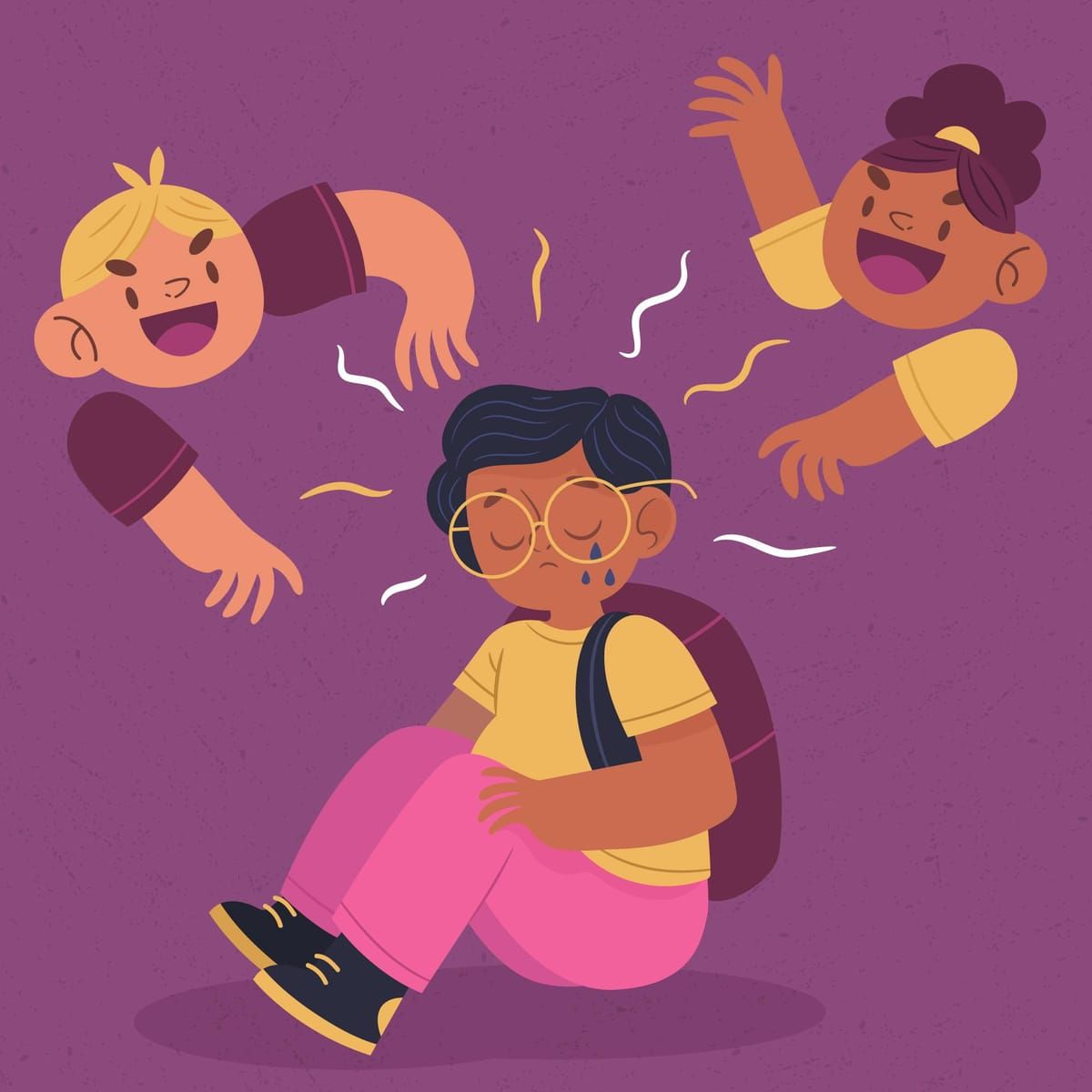
Overview Digital or cyberbullying refers to the use of technology—such as social media, messaging apps, or online gaming platforms—to harass, threaten, or humiliate others. In India, the rise in internet penetration and smartphone usage has also brou

Overview Social isolation refers to a lack of social connections and meaningful interactions with others. In India, where community and family bonds traditionally play a significant role in people’s lives, social isolation is emerging as a growing co

Overview Social media addiction refers to an excessive and compulsive use of social media platforms, leading to negative impacts on an individual’s mental, emotional, and physical wellbeing. In India, where smartphone and internet penetration have su

Overview Anger is a natural emotion that everyone experiences, but when it becomes uncontrollable or leads to aggression, it can be harmful. In India, cultural and societal factors can both trigger and suppress anger, leading to a complex relationshi

Overview Gaming disorder is characterized by a pattern of persistent or recurrent gaming behavior that takes precedence over other life interests and activities, resulting in significant impairment in personal, family, social, educational, or occupat

Overview Learning disabilities, such as dyslexia, are neurological conditions that affect a person’s ability to process and interpret information, particularly in reading and writing. These disabilities are not indicative of intelligence but rather r

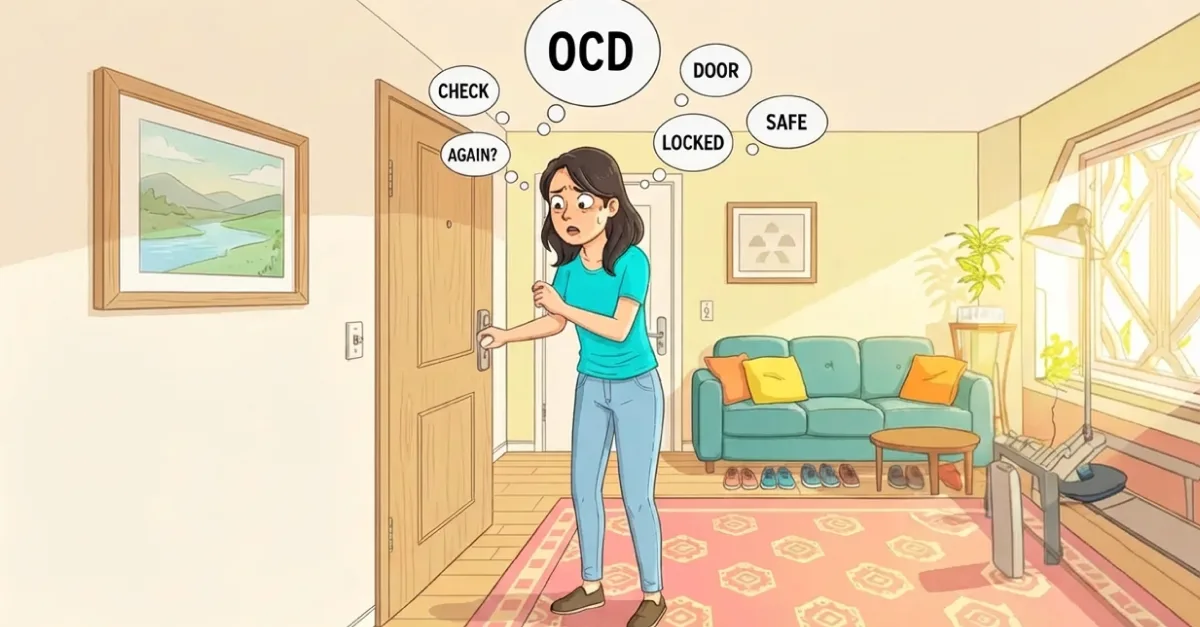
Overview Compulsive behaviors are repetitive actions or rituals performed to reduce distress or anxiety, often linked with intrusive and distressing thoughts (obsessions). While OCD is the most commonly recognized form, other compulsive behaviors inc

Overview Intellectual disabilities (ID) are characterized by limitations in intellectual functioning and adaptive behaviours, affecting daily life skills and social interactions. Conditions like Down syndrome, Fragile X syndrome, and other developmen

Overview Agoraphobia is an anxiety disorder characterized by a strong fear of being in situations from which escape might be difficult or where help may not be available in the event of a panic attack. This tends to make a person avoid open or crowde

Overview Behavioural disorders encompass a variety of conditions characterized by patterns of behaviour that are disruptive, defiant, or antisocial. Such disorders can have a great impact on academic performance, social relationships, and the quality

Overview Depression is a complex mental disorder characterized by persistent feelings of sadness, hopelessness, and a lack of interest in activities that were once enjoyed. In India, a variety of factors can influence it: socio-economic conditions, f

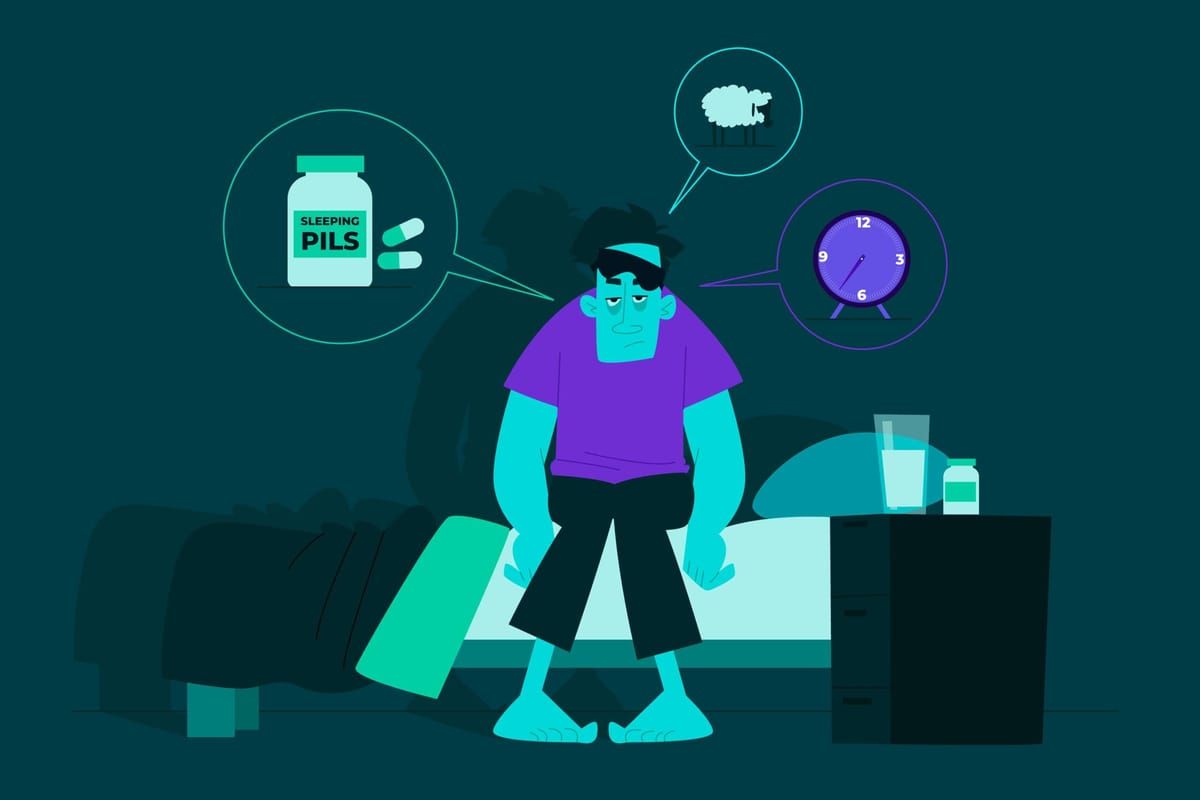
Overview Sleep disorders refer to a group of conditions that disturb the regularity and quality of sleep, leading to daytime fatigue, irritability, and long-term health problems. In India, these disorders are becoming more prevalent due to urbanizati

Overview Eating disorders in India are serious mental health conditions that disrupt an individual’s relationship with food and body image. They often go unnoticed or misdiagnosed, as cultural attitudes towards body image and eating differ widely acr

Overview Emotional Intelligence has gained prominence as a critical factor in personal and professional success. In India, the concept is particularly relevant given the diverse cultural, social, and familial dynamics that shape individuals’ interact

Overview Post-Traumatic Stress Disorder (PTSD) in India, like elsewhere, is a mental health condition that arises after experiencing or witnessing a traumatic event. The trauma can be a single event or prolonged exposure to distressing situations, su

Overview ADHD is a chronic disorder that manifests in difficulties with attention, hyperactivity, and impulse control. In India, traditional perceptions of children as being naturally active or inattentive can sometimes delay diagnosis, especially in

Overview Acrophobia, commonly known as the fear of heights, is one of the most prevalent phobias globally, including in India. Characterized by an intense fear of heights that can result in anxiety, dizziness, and even panic attacks, acrophobia affec

Overview Social Anxiety Disorder is a mental health condition characterized by intense fear or anxiety in social situations. Individuals with SAD fear being judged, embarrassed, or humiliated in front of others, often leading them to avoid social int

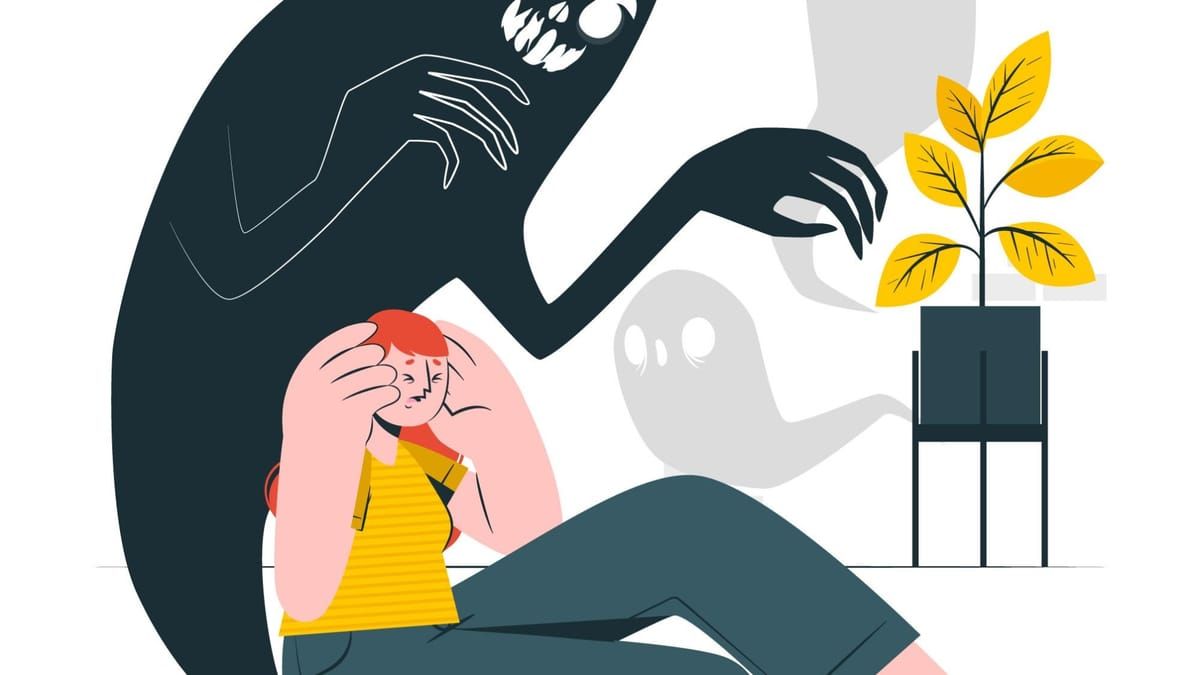
Overview Nocturnal panic attacks, also known as night-time panic attacks, are sudden, unexpected episodes of intense fear and anxiety that wake individuals from sleep. Unlike regular panic attacks, which typically occur during the day and can often b

Overview of Panic Disorder Panic disorder is a type of anxiety disorder characterized by sudden, unexpected, and intense episodes of panic, known as panic attacks. These attacks can occur without any clear trigger, often leaving the individual with o

Overview Adjustment Disorder (AD) is a psychological condition that occurs in response to identifiable stressors, such as loss of a loved one, job transitions, relocation, or interpersonal conflicts. It is characterized by an excessive emotional or b

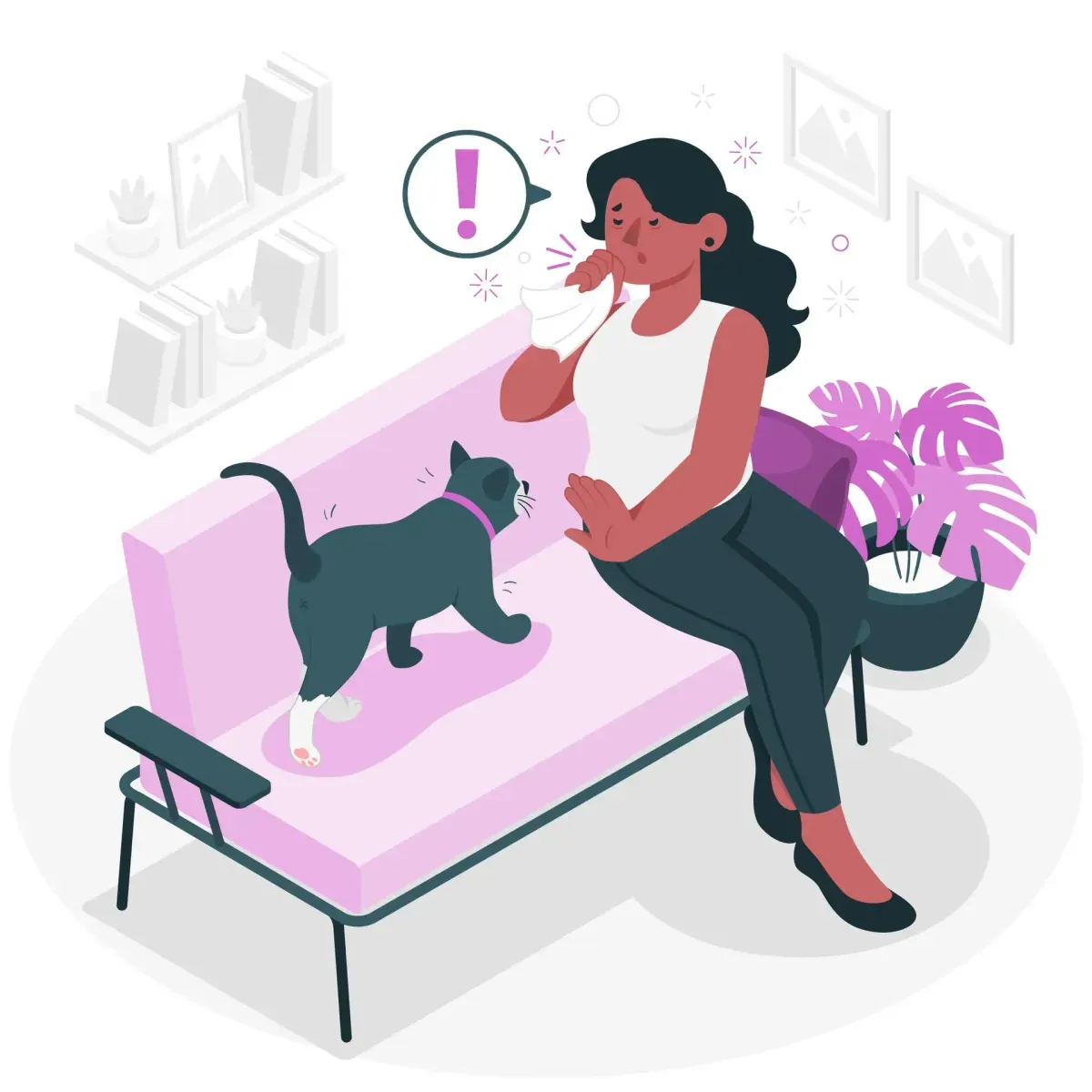
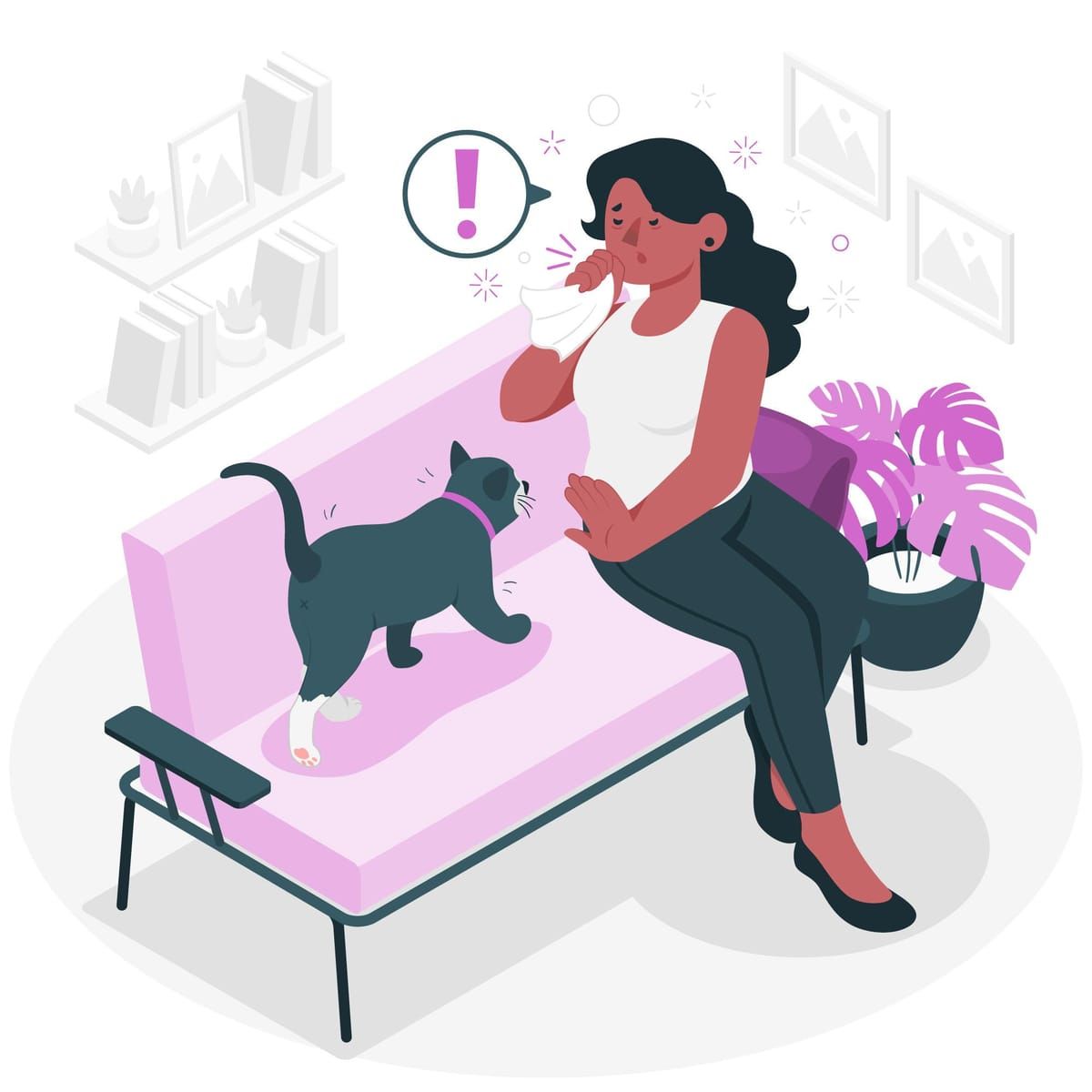
Overview Ailurophobia is an irrational and persistent fear of cats, leading to avoidance behaviours that can interfere with daily life. Unlike a general dislike of cats, this phobia triggers extreme anxiety, even when encountering pictures or hearing

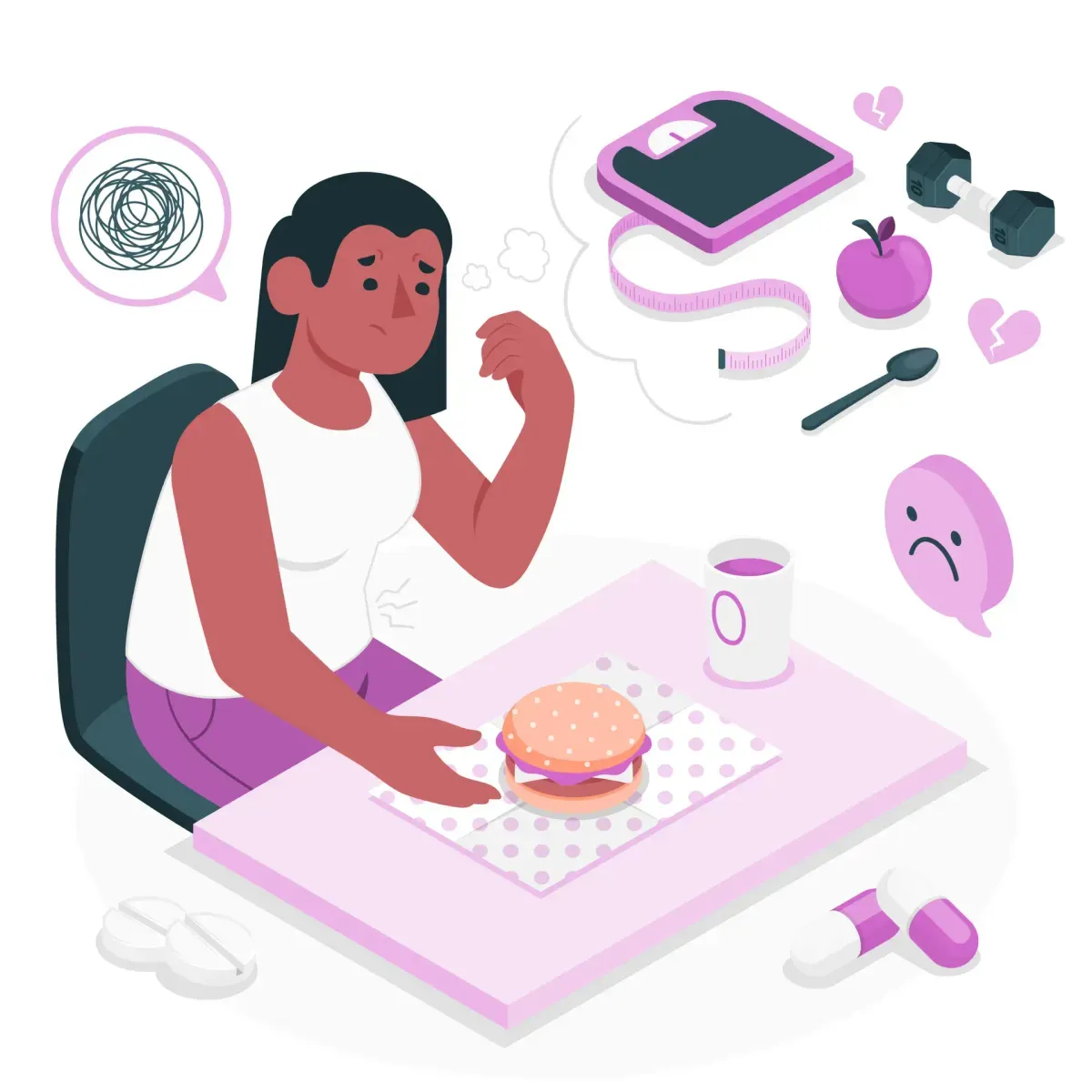
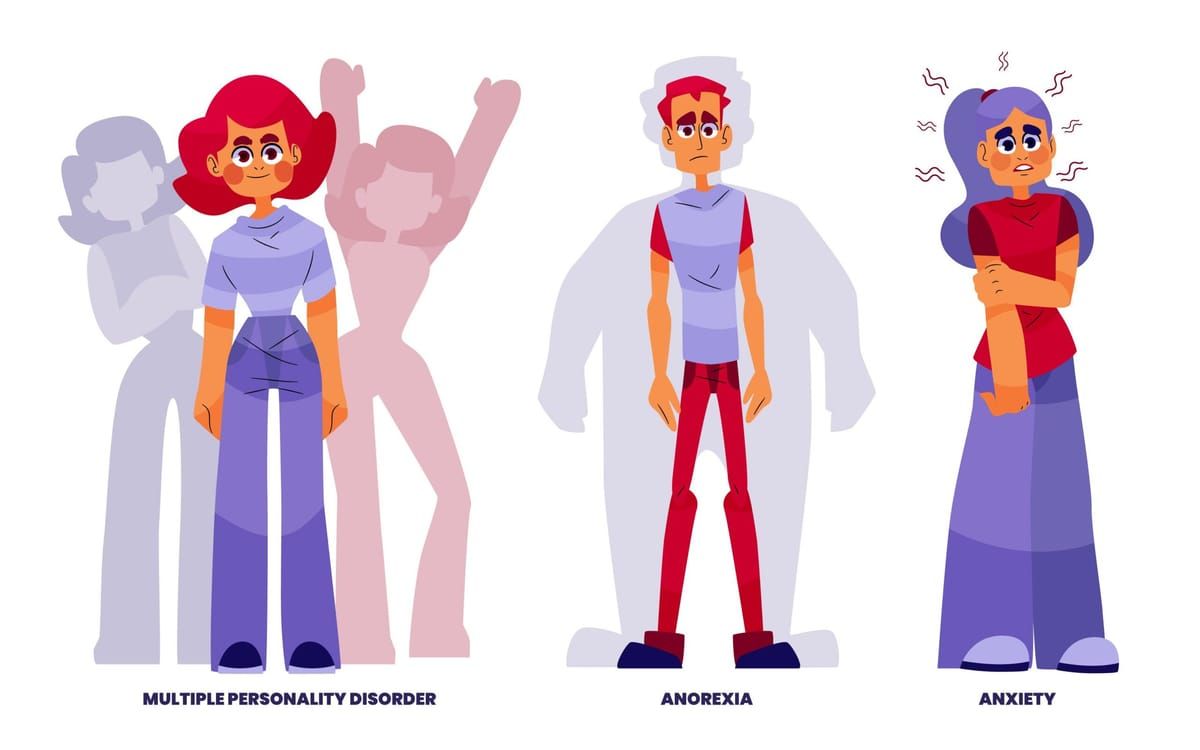
Overview Anorexia Nervosa is a severe eating disorder characterized by an intense fear of gaining weight, distorted body image, and extreme food restriction. Though commonly associated with Western societies, cases of anorexia nervosa are rising in I

Overview Antisocial Personality Disorder (ASPD) is a chronic mental health condition characterized by persistent patterns of disregard for others’ rights, deceitfulness, and lack of remorse. Individuals with ASPD often engage in manipulative and harm

Overview Arachnophobia, or the intense fear of spiders, is one of the most common specific phobias worldwide, including in India. Though spiders are generally not dangerous in India, the fear of them can cause extreme anxiety, avoidance behaviour, an

Overview Astraphobia, also known as the fear of thunder and lightning, is a specific phobia that can cause extreme distress and anxiety in individuals. While it is common among children, many adults in India also experience severe anxiety during thun

Overview Attachment issues refer to difficulties in forming secure and healthy emotional bonds with others, often stemming from early childhood experiences. In India, where family dynamics and societal structures play a significant role in psychologi

Overview Autism Spectrum Disorder (ASD) is a neurodevelopmental disorder characterized by difficulties in social interaction, communication, and repetitive behaviours. In India, awareness and diagnosis of ASD are increasing, but there remain signific

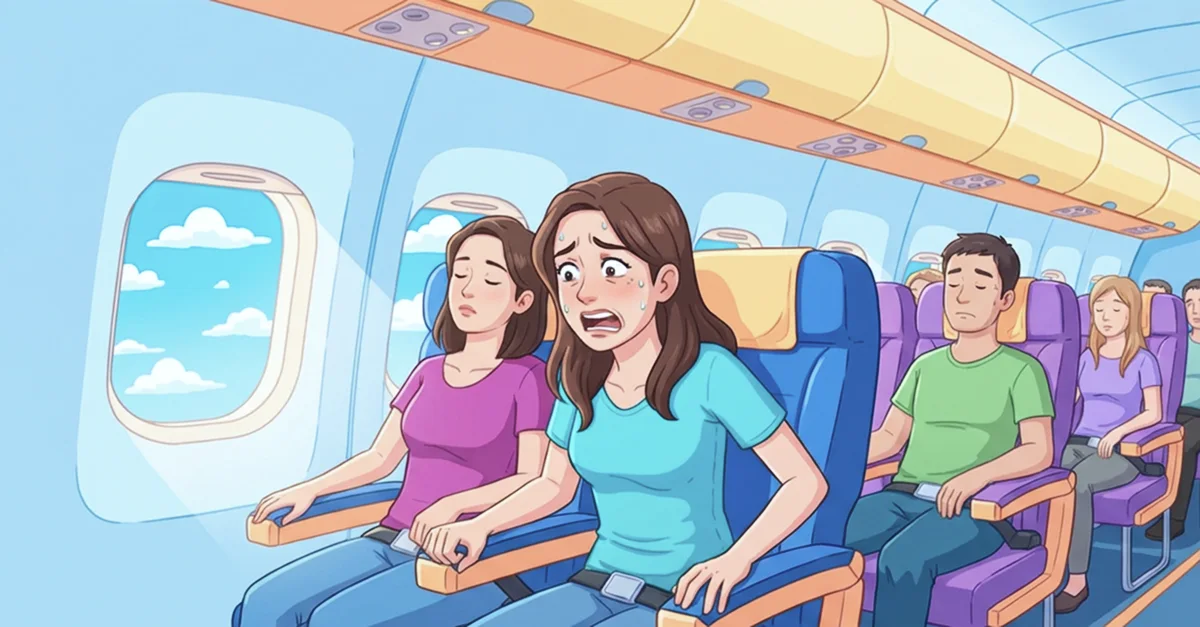
Overview Aviophobia, or the fear of flying, is a specific phobia that affects individuals worldwide, including a significant number of people in India. It is often characterized by extreme anxiety or panic attacks when thinking about or experiencing

Overview Body Dysmorphic Disorder (BDD) is a mental health condition characterized by an obsessive focus on perceived flaws in one’s appearance, which are often unnoticeable to others. Individuals with BDD may engage in repetitive behaviors, such as

Overview Borderline Personality Disorder (BPD) is a mental health condition characterized by pervasive patterns of instability in emotions, self-image, and interpersonal relationships, often leading to impulsive behaviours. Individuals with BPD may e

Overview Bulimia Nervosa is a significant eating disorder characterized by cycles of binge eating followed by compensatory behaviours such as self-induced vomiting, excessive exercise, or misuse of laxatives. While often associated with Western socie

Overview Cynophobia, the excessive and irrational fear of dogs, is a specific phobia classified under anxiety disorders in the DSM-5. While many people may feel uneasy around unfamiliar dogs, individuals with cynophobia experience severe distress, le

Overview Dermatillomania, also known as excoriation or skin-picking disorder, is a psychological condition characterized by repetitive, compulsive picking of one’s own skin, leading to tissue damage. This behaviour is classified under body-focused re

Overview Disruptive Mood Dysregulation Disorder (DMDD) is a relatively recent addition to psychiatric diagnoses, first introduced in the DSM-5. It is characterized by chronic, severe irritability and frequent temper outbursts that are disproportionat

Overview Dissociation is a psychological condition characterized by a disconnection between thoughts, identity, consciousness, and memory. It is often a response to trauma and stress. While globally recognized, the awareness and understanding of diss

Overview Chronic stress is a prolonged and persistent state of psychological and physiological strain caused by various life challenges. In India, rapid urbanization, high workplace demands, financial insecurity, societal expectations, and lifestyle

Overview Claustrophobia is an anxiety disorder characterized by an intense fear of confined or crowded spaces. It can trigger severe panic attacks, leading to distress and avoidance behaviours. While global research highlights the prevalence of claus

Overview Conduct Disorder (CD) is a serious behavioural and emotional disorder diagnosed primarily in children and adolescents. It is characterized by persistent patterns of aggression, deceitfulness, rule violations, and disregard for societal norms

Overview Conversion Disorder (also known as Functional Neurological Symptom Disorder) is a condition where individuals experience neurological symptoms such as paralysis, tremors, or seizures without any underlying medical explanation. It is believed

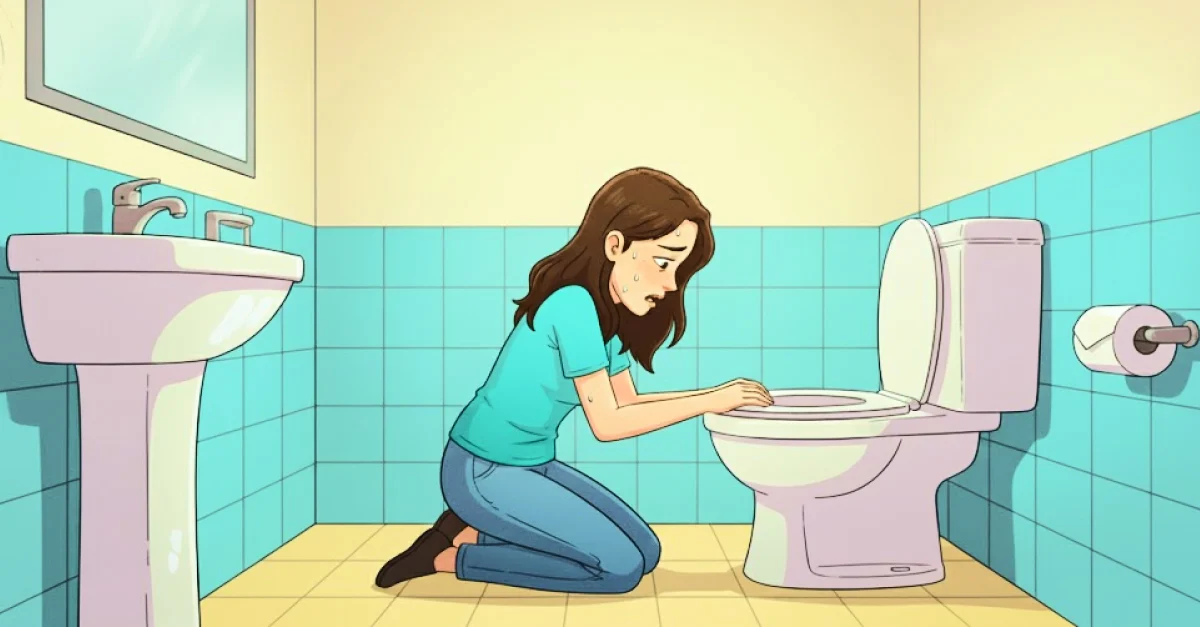
Overview Emetophobia, the intense fear of vomiting, is a specific phobia that can significantly disrupt an individual’s daily life. While specific data on emetophobia within the Indian population is limited, a meta-analysis of 13 psychiatric epidemio

Overview Post-Traumatic Stress Disorder (PTSD) is a mental health condition triggered by experiencing or witnessing a traumatic event. In India, the prevalence of PTSD varies across different studies and populations. For instance, a study among adole

Overview Personality disorders (PDs) are enduring patterns of behaviour, cognition, and inner experience that deviate markedly from the expectations of an individual’s culture. These patterns are pervasive and inflexible, leading to distress or impai

Overview Guilt and shame are self-conscious emotions that play significant roles in regulating behaviour and maintaining social harmony. In the Indian context, these emotions are deeply intertwined with cultural norms, societal expectations, and comm

Overview Grief is a natural response to loss, encompassing a range of emotional, cognitive, and behavioural reactions. In India, the experience of grief is deeply influenced by cultural, religious, and social norms, which shape how individuals percei

Overview Intermittent Explosive Disorder (IED) is characterized by recurrent episodes of impulsive aggression, manifesting as verbal outbursts or physical violence disproportionate to the triggering situation. While global prevalence rates vary, spec

Overview Intrusive thoughts are involuntary, unwanted thoughts, images, or ideas that can cause significant distress. While they are a common human experience, their persistence and intensity can interfere with daily functioning. In the Indian contex

Overview Emotional and Behavioural Disorders (EBD) encompass a range of mental health conditions characterized by emotional dysregulation and behavioural issues that significantly impact an individual’s daily functioning. In India, the prevalence of

Overview Trauma refers to an individual’s emotional and psychological response to distressing events that overwhelm their coping mechanisms. In India, a diverse nation with a vast population, exposure to trauma arises from various sources, including

Overview Factitious Disorder (FD) is a mental health condition wherein individuals deliberately fabricate or exaggerate symptoms of illness without obvious external incentives, such as financial gain or avoidance of duties. The primary motivation is

Overview Fear of failure, or atychiphobia, is a pervasive psychological phenomenon characterized by an intense apprehension towards failing, which can significantly impede an individual’s personal and professional growth. In the Indian context, socie

Overview Gambling Disorder, recognized as a behavioural addiction, involves persistent and recurrent problematic gambling behaviour leading to significant distress or impairment. In India, gambling activities range from traditional games to state-run

Overview Gender Dysphoria (GD) refers to the psychological distress experienced when an individual’s gender identity differs from the sex assigned at birth. This incongruence can lead to significant emotional discomfort and challenges in daily functi

Overview Self-esteem refers to an individual’s overall sense of personal worth and self-respect. Low self-esteem (LSE) is characterized by a negative self-view, feelings of inadequacy, and a lack of confidence. In India, cultural, societal, and famil

Overview Generalized Anxiety Disorder (GAD) is a prevalent mental health condition marked by excessive and uncontrollable worry about various aspects of daily life. Individuals with GAD often find it challenging to manage their anxiety, leading to si

Overview Learning Disorders (LD), also known as Specific Learning Disabilities (SLD), are neurodevelopmental disorders that impede the acquisition and application of academic skills, notably in reading (dyslexia), writing (dysgraphia), and mathematic

Overview Loneliness, a subjective feeling of social isolation, has emerged as a significant public health concern globally. In India, the rapid pace of urbanization, changing family structures, and the pervasive influence of technology have contribut

Overview Obsessive thoughts are intrusive, unwanted, and distressing ideas or impulses that repeatedly enter an individual’s mind. They are a hallmark of Obsessive-Compulsive Disorder (OCD), a mental health condition characterized by persistent obses

Overview Negative body image and self-esteem issues are significant psychological concerns affecting individuals’ mental health and quality of life. In India, cultural, societal, and media influences play pivotal roles in shaping perceptions of body

Overview Identity formation is a pivotal aspect of psychological development, encompassing an individual’s self-concept, values, beliefs, and roles within society. In the Indian context, identity development is influenced by a confluence of tradition

Overview Homelessness in India is a significant social issue, with the 2011 Census reporting approximately 1.77 million homeless individuals, constituting about 0.15% of the country’s total population. This population includes single men, women, the

Overview Social support—the perception and actuality of being cared for, esteemed, and part of a social network—is a fundamental human need. In India, the lack of social support has emerged as a significant psychological concern, influencing mental h

Overview Mysophobia, commonly known as the fear of germs or contamination, is characterized by an intense, persistent fear of dirt, germs, and bacteria. Individuals with this phobia often engage in excessive cleaning and hygiene practices to avoid pe

Overview Hypervigilance is a state of heightened alertness and sensitivity to one’s surroundings, often resulting from exposure to traumatic events. Individuals experiencing hypervigilance are constantly on guard, anticipating potential threats even

Overview Hemophobia, or the fear of blood, is a specific phobia characterized by an intense, irrational fear of blood. Individuals with hemophobia may experience severe anxiety, panic attacks, and avoidance behaviours when exposed to blood or situati

Overview Insomnia Disorder is characterized by persistent difficulties in initiating or maintaining sleep, leading to significant daytime impairment or distress. In India, the prevalence of insomnia varies, with studies indicating rates between 13.8%

Overview Mild Cognitive Impairment (MCI) is a transitional stage between normal cognitive aging and more severe forms of dementia, such as Alzheimer’s disease. Individuals with MCI experience noticeable declines in cognitive functions—particularly me

Overview Narcissistic Personality Disorder (NPD) is a mental health condition characterized by an inflated sense of self-importance, a deep need for excessive attention and admiration, and a lack of empathy for others. Individuals with NPD often have

Overview Narcolepsy is a chronic neurological disorder characterized by excessive daytime sleepiness and sudden muscle weakness (cataplexy), often triggered by strong emotions. Despite being a common sleep disorder globally, with a prevalence of appr
Overview Non-Suicidal Self-Injury (NSSI) refers to the deliberate, self-inflicted damage to one’s body tissue without suicidal intent and for purposes not socially or culturally sanctioned. Common methods include cutting, burning, or scratching the s

Overview Nyctophobia, commonly known as fear of the dark, is a prevalent phobia characterized by intense anxiety in dark environments. While it is especially common among children, affecting nearly 45% between ages 6 and 12, many individuals outgrow

Overview Obsessive-Compulsive Disorder (OCD) is a mental health condition marked by persistent, intrusive thoughts (obsessions) and repetitive behaviours or mental acts (compulsions) performed to alleviate the distress caused by these thoughts. In In

Overview Ophidiophobia, commonly known as the fear of snakes, is a prevalent specific phobia characterized by an intense and irrational fear of snakes. This fear can significantly impact an individual’s daily life, leading to avoidance behaviours and

Overview Oppositional Defiant Disorder (ODD) is a behavioural condition characterized by a consistent pattern of defiant, hostile, and disobedient behaviours toward authority figures. In India, ODD is a significant concern, particularly among childre

Overview Perfectionism is a multifaceted personality trait characterized by the pursuit of flawlessness, setting exceedingly high standards, and engaging in critical self-evaluation. In the Indian context, cultural factors such as societal expectatio

Overview Peer pressure refers to the influence exerted by peers to encourage individuals to change their attitudes, values, or behaviours to conform to group norms. In India, a country with a rich tapestry of cultural and social dynamics, adolescents

Overview Phobias are a subset of anxiety disorders characterized by an excessive and irrational fear of specific objects, situations, or activities. These fears can significantly disrupt an individual’s daily functioning and quality of life. In India

Overview Premenstrual Dysphoric Disorder (PMDD) is a severe form of premenstrual syndrome (PMS) characterized by significant emotional and physical symptoms that disrupt daily functioning. While PMS affects a substantial number of women, PMDD is less

Overview Pyrophobia, derived from the Greek words ‘pyro’ (fire) and ‘phobos’ (fear), refers to an excessive and irrational fear of fire. While a healthy respect for fire is natural due to its potential dangers, individuals with pyrophobia experience

Overview Reactive Attachment Disorder (RAD) is a severe condition that emerges in early childhood, characterized by a child’s inability to form healthy emotional attachments with caregivers. This disorder often results from significant neglect, abuse

Overview School refusal refers to a child’s persistent reluctance or refusal to attend school, often accompanied by emotional distress. This behaviour is distinct from truancy, as the child typically remains at home with parental knowledge. In India,

Overview Selective Mutism (SM) is an anxiety disorder predominantly affecting children, characterized by a consistent inability to speak in specific social situations despite speaking comfortably in others, such as at home. This condition often inter

Overview Separation Anxiety Disorder (SAD) is characterized by excessive fear or anxiety concerning separation from attachment figures, surpassing typical developmental levels and significantly impairing daily functioning. While commonly associated w

Overview Situationally bound panic attacks, also known as cued panic attacks, are intense episodes of fear that occur almost immediately upon exposure to, or in anticipation of, specific triggers or situations. These attacks are a hallmark of panic d

Overview Situationally predisposed panic attacks are episodes of intense fear or discomfort that are more likely to occur in specific situations but do not invariably do so. Unlike situationally bound (cued) panic attacks, which almost always happen

Overview Speech and language disorders encompass a range of communication challenges, including difficulties in articulation, fluency, voice, and language comprehension or expression. In the Indian context, these disorders significantly impact indivi

Overview Tourette Syndrome (TS) is a neurodevelopmental disorder characterized by involuntary motor and vocal tics. Typically manifesting in childhood, TS often persists into adolescence and adulthood. In India, awareness and understanding of TS are

Overview Unemployment is a significant socio-economic issue in India, profoundly affecting individuals’ mental health and well-being. Beyond financial instability, the lack of employment can lead to psychological distress, impacting self-esteem, soci

Overview Tic disorders are neurodevelopmental conditions characterized by sudden, repetitive, non-rhythmic movements or vocalizations called tics. These disorders encompass transient tics, chronic motor or vocal tics, and Tourette Syndrome (TS), whic

Overview Trichotillomania, also known as Hair-Pulling Disorder, is a mental health condition characterized by the recurrent, irresistible urge to pull out one’s hair, leading to noticeable hair loss and significant distress or impairment. Despite bei

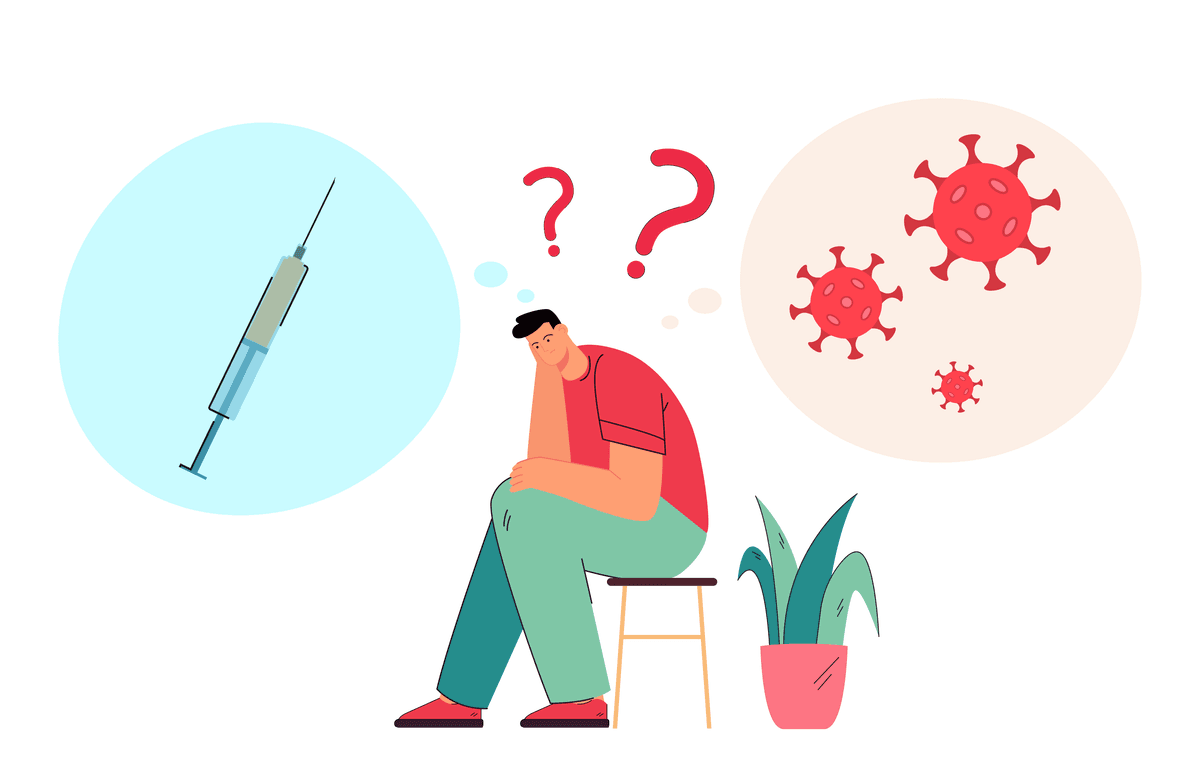
Overview Trypanophobia, commonly known as needle phobia, is an intense fear of medical procedures involving injections or hypodermic needles. This phobia can lead individuals to avoid essential medical treatments, including vaccinations and blood tes
Overview Panic attacks are sudden episodes of intense fear or discomfort that peak within minutes, often without an apparent trigger. These episodes can be debilitating, affecting an individual’s daily functioning and quality of life. In India, under

June is often a time when conversations around men's mental health take center stage. While discussions about stress,...

Conversations about masculinity have become increasingly common in recent years. Yet despite how often the topic is d...

Introduction Deciding to seek therapy is often far more significant than people realize. For some, it comes after mon...

Overview Specific phobias are characterized by an intense, irrational fear of particular objects or situations, leadi...
Overview Zoophobia, or the irrational fear of animals, is a specific phobia where individuals experience intense anxi...

Overview Unresolved trauma refers to psychological distress resulting from adverse experiences that have not been ade...
+91 98108 55789 or request a call back.