Overview
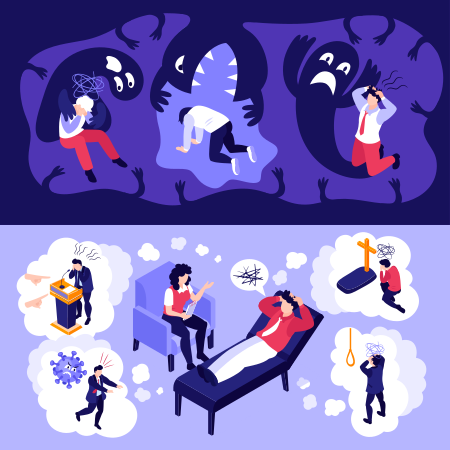
Antisocial Personality Disorder represents a significant mental health or behavioral challenge that affects an individual's emotional equilibrium, daily functioning, and overall quality of life. Understanding the symptoms and coping mechanisms is the first step toward effective management and healing.
Signs & Symptoms
While the experience of Antisocial Personality Disorder varies for each person, some of the most common signs and symptoms include:
- Emotional Distress: Persistent feelings of anxiety, worry, sadness, or frustration related to the condition.
- Cognitive Patterns: Intrusive thoughts, difficulty focusing, or feelings of inadequacy and self-doubt.
- Behavioral Changes: Avoidance of triggering situations, social withdrawal, or changes in sleep and appetite.
- Physical Symptoms: Muscle tension, fatigue, rapid heart rate, or restlessness under stressful conditions.
- Seek Professional Help: Consult a qualified professional if symptoms persist or interfere with daily life.
Coping Strategies & Self-Care
Managing Antisocial Personality Disorder effectively involves a combination of daily self-care practices and positive lifestyle adjustments:
- Practice Mindfulness: Use deep breathing exercises, progressive muscle relaxation, or meditation to regulate your body's stress response.
- Set Healthy Boundaries: Prioritize your tasks, learn to say no to excessive demands, and allow yourself guilt-free rest.
- Establish a Routine: Maintaining a consistent sleep schedule, eating nourishing meals, and engaging in regular movement can support overall mental health.
- Seek Support: Discussing your feelings with supportive friends, family members, or a support group can break the cycle of isolation.
Professional Treatment Options
If Antisocial Personality Disorder significantly interferes with your work, academic performance, or relationships, seeking professional mental health support is crucial. Effective clinical interventions include:
- Cognitive Behavioral Therapy (CBT): Helps identify, challenge, and replace negative thought patterns and behaviors.
- Acceptance & Commitment Therapy (ACT): Encourages psychological flexibility and commitment to positive action.
- Medication Management: When appropriate, consulting a qualified psychiatrist can help manage acute chemical imbalances.
- RCI-licensed clinical psychologist consultations: Standard cognitive evaluations and psychotherapy.