Overview
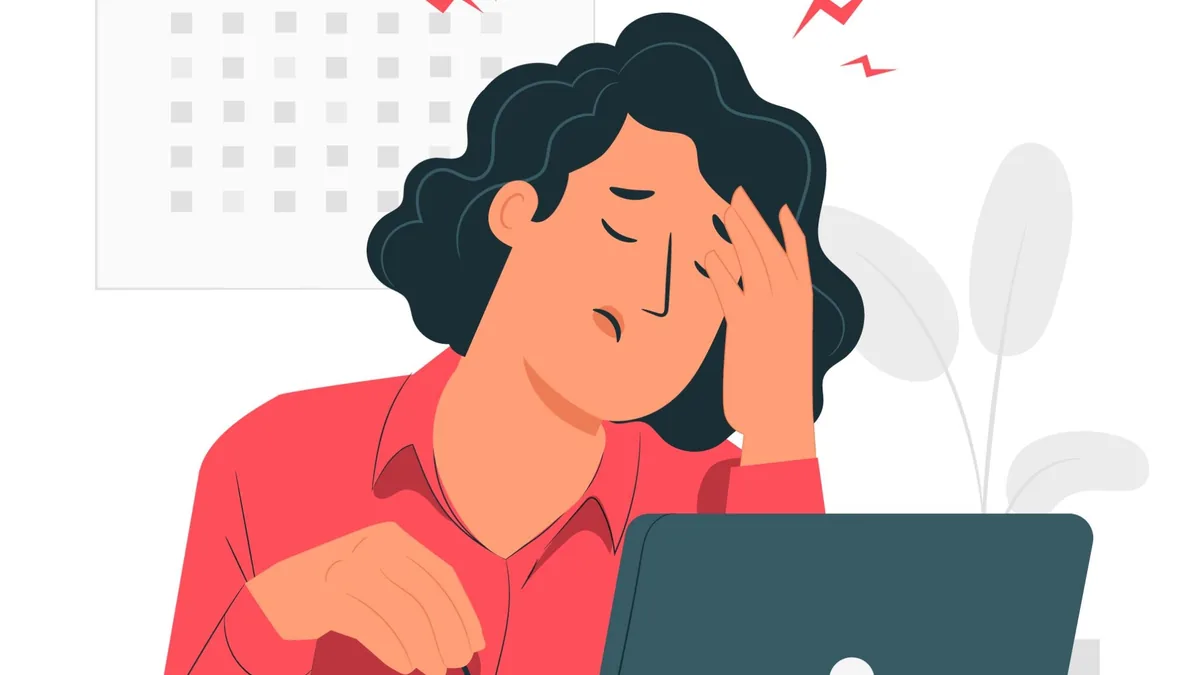
Stress is a natural response to challenges, change, or pressure. However, when stress becomes persistent, overwhelming, or difficult to manage, it can begin to affect emotional well-being, physical health, relationships, and day-to-day functioning.
At Mantraminds, we provide evidence-based assessment, counselling, and therapy for individuals experiencing chronic stress, work-related stress, emotional stress, burnout, and other stress-related difficulties. Our goal is to help individuals identify stress triggers, improve coping skills, and restore emotional balance.
What Are Stress-Related Difficulties?
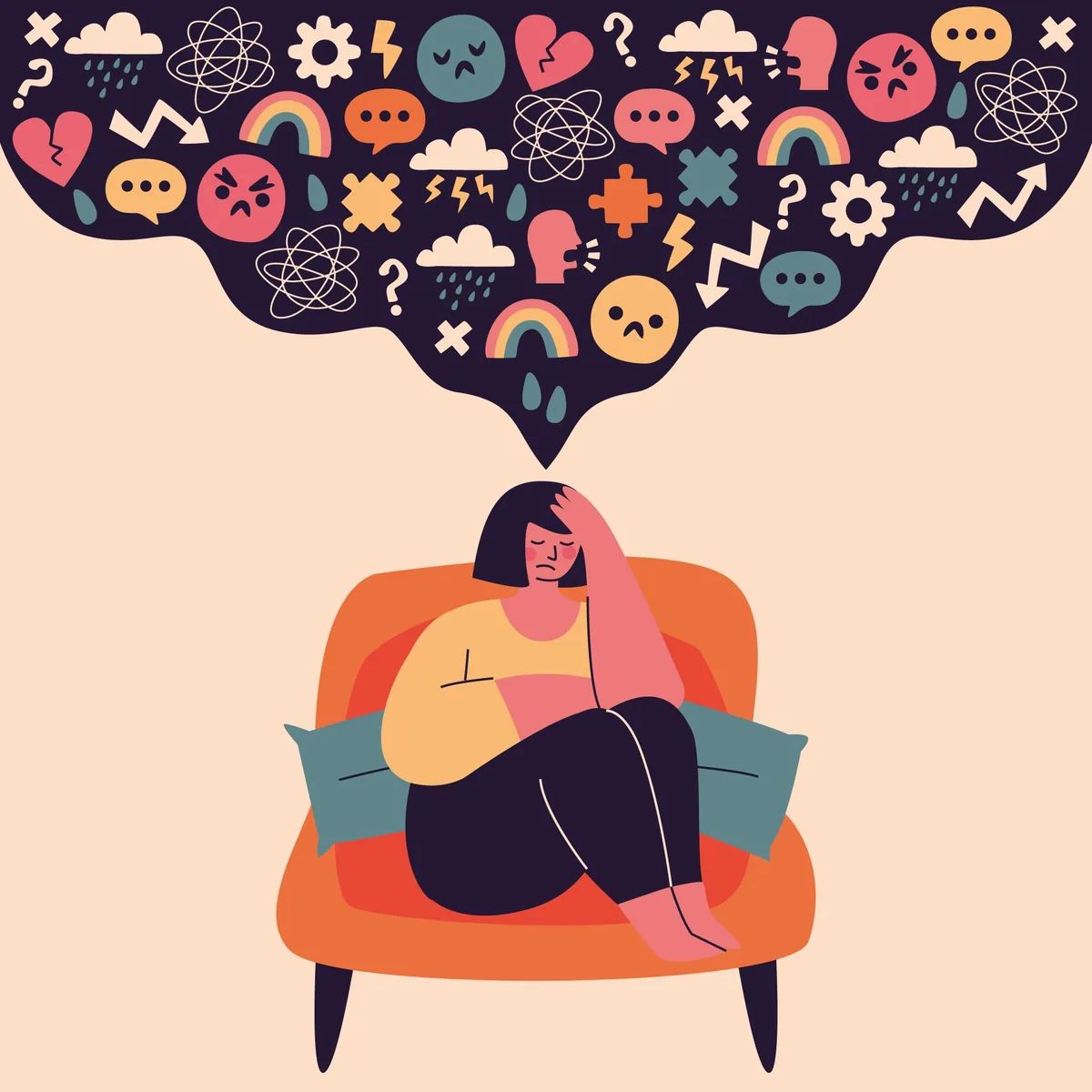
Stress-related difficulties occur when the body’s stress response remains activated for prolonged periods. This may happen due to ongoing work pressure, financial concerns, relationship challenges, caregiving responsibilities, health issues, or exposure to emotionally distressing events.
Persistent stress can contribute to:
- Anxiety symptoms
- Emotional exhaustion
- Sleep disturbances
- Difficulty concentrating
- Irritability and mood changes
- Physical symptoms such as headaches or muscle tension
Types of Stress
Acute Stress (Short-term)
Acute stress is a short-term response to immediate challenges or demands. Examples include:
- Examinations
- Job interviews
- Deadlines
- Unexpected life events
Episodic Acute Stress (Frequent)
This occurs when acute stress happens repeatedly and frequently, leading to ongoing tension and emotional fatigue.
Chronic Stress (Long-term)
Chronic stress develops when stressors persist for weeks, months, or longer. Common causes:
- Workplace pressure
- Financial difficulties
- Caregiving responsibilities
- Ongoing relationship conflict
- Long-term health concerns
Stress-Related Disorders (Clinical Evaluation)
In some cases, stress may contribute to or coexist with conditions such as acute stress disorder, adjustment disorder, anxiety disorders, and burnout-related difficulties. A professional evaluation helps determine the most appropriate diagnosis and treatment plan.
Symptoms of Chronic Stress
Emotional & Psychological
- Persistent worry or anxiety
- Feeling constantly on edge
- Irritability or emotional overwhelm
- Difficulty concentrating
- Restlessness
- Reduced motivation
Physical Symptoms
- Headaches
- Muscle tension
- Fatigue or low energy
- Sleep disturbances
- Digestive discomfort
- Changes in appetite
Signs You May Need Professional Support
Consider seeking help if:
- Stress continues despite rest or time off
- You feel emotionally exhausted or burnt out
- Daily responsibilities become difficult to manage
- Work or relationships are being affected
- You rely heavily on avoidance, withdrawal, or unhealthy coping behaviours
- Symptoms are becoming more frequent or intense
Common Causes of Chronic Stress
- High work or academic demands
- Traumatic or emotionally distressing experiences
- Caregiving responsibilities
- Chronic medical conditions
- Financial stress
- Relationship difficulties
- Lack of social or emotional support
- Unhelpful coping patterns
How Stress Is Evaluated
A professional assessment may include:
- Review of emotional, behavioural, and physical symptoms
- Identification of stress triggers
- Assessment of coping strategies
- Evaluation of work, lifestyle, and environmental factors
- Screening for anxiety, depression, or related mental health concerns
Accurate assessment helps guide the most effective treatment approach.
Stress Management & Treatment Options
Cognitive Behavioural Therapy (CBT)
CBT helps identify and change unhelpful thought patterns that contribute to stress and anxiety.
Stress Counselling
Counselling provides a supportive space to process emotional stress, improve problem-solving skills, and develop healthier coping strategies.
Stress Management Therapy
Therapy may include relaxation training, emotional regulation techniques, mindfulness-based strategies, and behavioural interventions.
Online Stress Therapy
We also offer confidential online counselling and therapy sessions for individuals who prefer remote support.
Healthy Coping Strategies
- Practice relaxation and grounding exercises
- Maintain a consistent sleep routine
- Engage in regular physical activity
- Set realistic daily priorities
- Build emotional awareness
- Seek social and professional support
When Should You Seek Help?
Consider professional support if:
- Stress has persisted for several weeks or longer
- You experience ongoing anxiety, fatigue, or burnout
- Your work performance or relationships are affected
- Sleep problems are becoming frequent
- Self-help strategies are no longer providing relief
Early intervention can significantly improve emotional well-being, prevent complications, and help you regain a sense of control.
Get Support at Mantraminds
At Mantraminds, our team of clinical psychologists, counselling psychologists, and psychiatrists provides comprehensive support for stress, anxiety, burnout, and related emotional difficulties.
Whether you are experiencing work-related stress, chronic stress, emotional exhaustion, or difficulty coping with life changes, we are here to help you build healthier coping skills and improve your overall well-being.