Overview
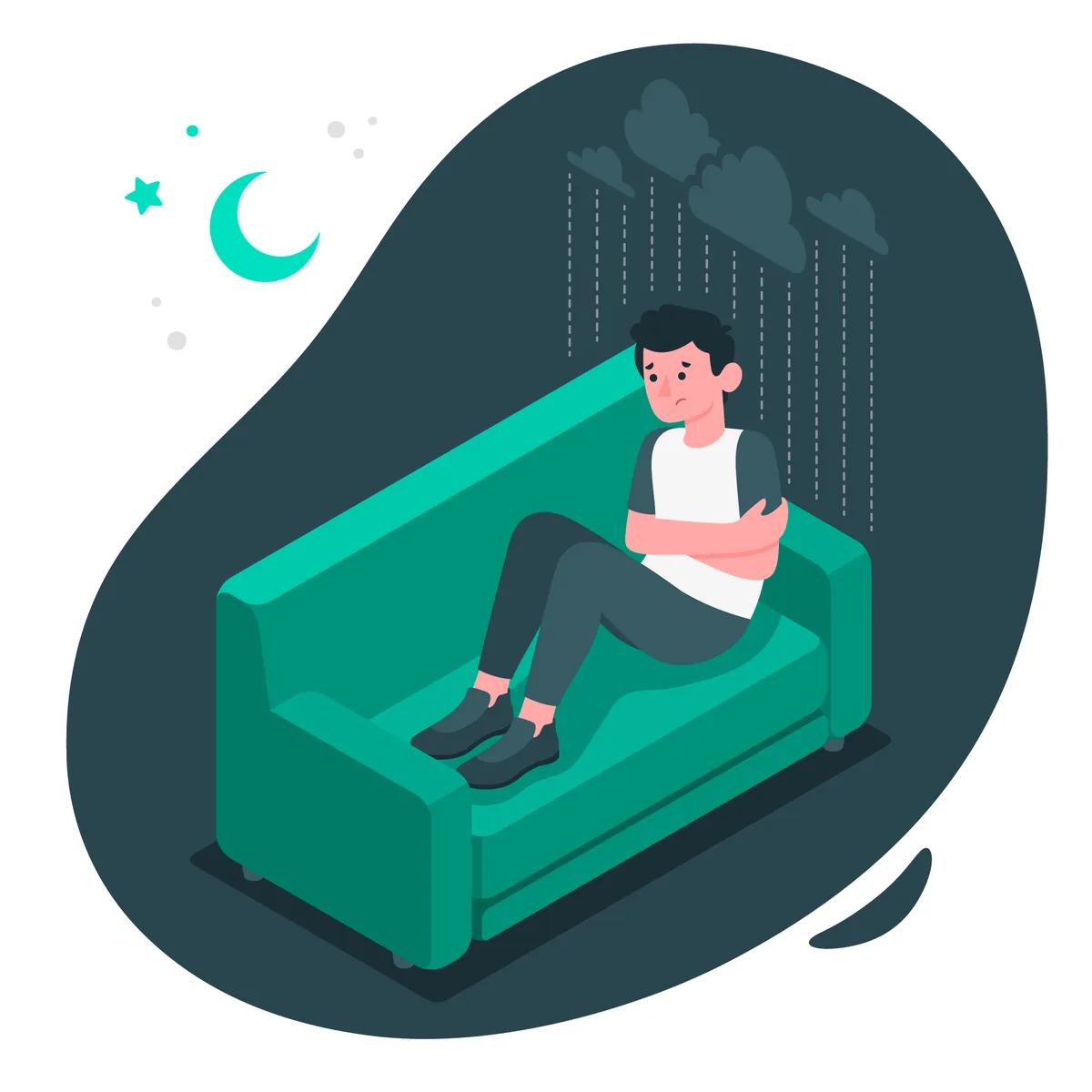
Loneliness is a common emotional experience characterized by feelings of isolation, disconnection, or a lack of meaningful social and emotional connection. It is not simply being alone; rather, it reflects a perceived gap between the social relationships a person desires and those they currently experience.
At Mantraminds, we provide evidence-based counselling and psychological support for individuals experiencing emotional loneliness, social loneliness, chronic loneliness, and loneliness associated with anxiety, depression, life transitions, or relationship difficulties.
When loneliness becomes persistent, it can negatively affect emotional well-being, mental health, resilience, and overall quality of life. Early support can help individuals develop meaningful connections and healthier coping strategies.
Understanding Loneliness
Loneliness is a subjective emotional experience that occurs when a person feels disconnected from others or lacks meaningful social and emotional relationships. A person may feel lonely even when surrounded by people if their relationships do not provide a sense of belonging, understanding, or emotional support.
While loneliness is not a mental health disorder, persistent loneliness can contribute to emotional distress and may be associated with conditions such as anxiety and depression.
Loneliness and Mental Health
Loneliness and mental health are deeply interconnected. Persistent loneliness may increase emotional distress, negative thought patterns, and vulnerability to anxiety or depressive symptoms.
Loneliness and depression often reinforce each other. Loneliness may deepen sadness, while depression can lead to withdrawal and isolation. Similarly, loneliness and anxiety may coexist, particularly when fear of rejection or social judgment limits connection.
Types of Loneliness
There are several types of loneliness, each affecting individuals in different ways.
Emotional Loneliness
Emotional loneliness occurs when a person lacks close emotional bonds or feels emotionally unsupported.
Emotional loneliness symptoms may include
- Feeling empty or disconnected
- Longing for emotional closeness
- Feeling misunderstood or unseen
Social Loneliness
Social loneliness involves limited social interaction or lack of a supportive social network.
It may include
- Few friendships or social connections
- Feeling excluded or disconnected from groups
- Difficulty forming or maintaining relationships
Chronic Loneliness
Chronic loneliness is long-lasting loneliness that does not resolve on its own and may require professional help for effective recovery.
Situational Loneliness
Situational loneliness may occur during life transitions such as moving to a new city, starting a new job, relationship changes, retirement, or bereavement. These feelings are often temporary but may become prolonged if support is limited.
Signs and Symptoms of Loneliness
Common loneliness symptoms include
- Persistent feelings of isolation
- Low mood or emotional numbness
- Anxiety in social situations
- Loss of interest in social interaction
- Feeling disconnected even when around others
Social isolation symptoms may overlap with loneliness, but loneliness can exist even without physical isolation.
Causes and Contributing Factors of Loneliness
Common contributing factors may include
- Relationship difficulties or loss
- Relocation or major life transitions
- Social isolation
- Anxiety or depression
- Low self-esteem
- Chronic illness or disability
- Retirement or bereavement
- Difficulties with social confidence or communication
Identifying the underlying causes helps guide effective therapy and treatment planning.
Support and Therapeutic Approaches for Loneliness
Effective loneliness treatment focuses on emotional connection, coping strategies, and meaningful engagement.
Loneliness Therapy
Psychological support for loneliness may help individuals
- Understand emotional needs and relationship patterns
- Develop healthier social connections
- Improve communication and interpersonal skills
- Build self-confidence and emotional resilience
- Reduce feelings of isolation and disconnection
Loneliness Counselling
Loneliness counselling provides supportive guidance to help individuals manage emotional distress, rebuild confidence, and strengthen social connections.
Coping with Loneliness
Managing loneliness may involve
- Building emotional awareness
- Practicing healthy communication skills
- Gradually increasing social engagement
- Developing self-compassion and resilience
With appropriate support and meaningful social engagement, individuals can strengthen relationships, improve emotional well-being, and reduce persistent feelings of loneliness.
When Should You Seek Professional Support for Loneliness?
You should consider professional help if
- Loneliness feels persistent or overwhelming
- Emotional distress interferes with daily life
- Loneliness is linked with depression or anxiety
- You feel disconnected despite efforts to connect
Early support helps prevent loneliness from becoming chronic.
Loneliness Assessment and Professional Support
A professional evaluation helps determine whether loneliness is situational or part of a broader mental health concern. Assessment may include:
- Emotional and social history
- Evaluation of mood, anxiety, and coping patterns
- Identification of contributing stressors
Online loneliness self-assessments may offer insight but do not replace professional evaluation.
Take an online Loneliness Disorder Assessment
Get a personalized report full of recommendations and resources to get help.
A Simpler Way to Live Well
Subscribe Our Newsletter