Phobic Disorders
Overview
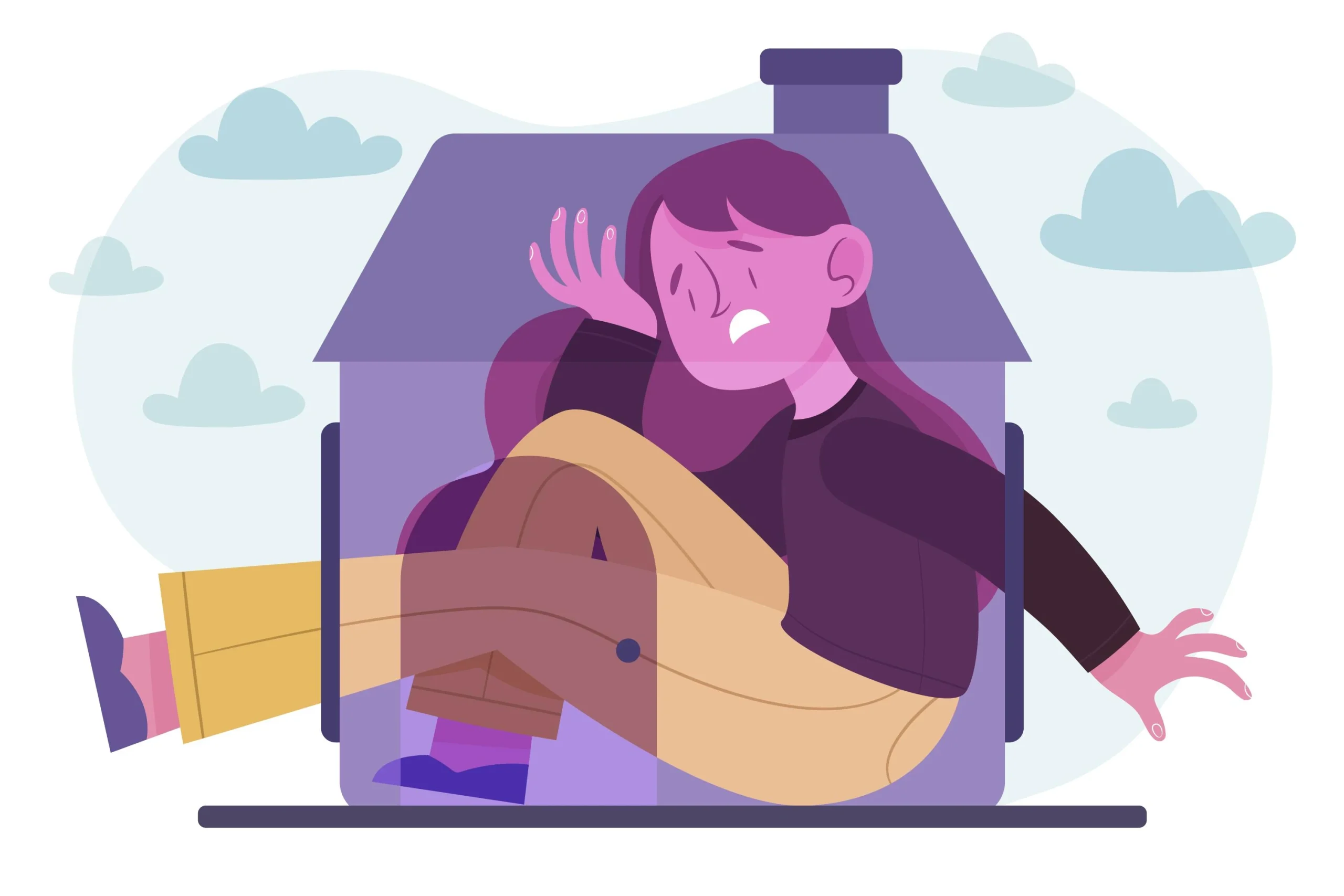
Phobias are anxiety disorders characterized by intense and persistent fear of specific objects, situations, or environments. Exposure to the feared stimulus may trigger significant anxiety, panic symptoms, and avoidance behaviours that interfere with daily functioning, relationships, and quality of life.
At Mantraminds, we provide evidence-based assessment, counselling, and treatment for individuals experiencing specific phobias, social anxiety disorder, agoraphobia, and other anxiety-related fears.
Without appropriate support, phobias may become increasingly restrictive over time. Early intervention can help individuals regain confidence and reduce fear-related avoidance.
What is Phobia?
A phobia is an anxiety disorder characterized by excessive and persistent fear of a specific object, situation, activity, or environment. The fear experienced is often disproportionate to the actual level of danger but can feel overwhelming and difficult to control.
Phobias are common and treatable mental health conditions that can affect individuals of all ages.
How Phobia Affects Daily Life
Phobias activate the brain’s fear response system, leading to physical, emotional, and behavioral reactions. Individuals may go to great lengths to avoid triggers, which can limit work, travel, social interactions, and independence.
Fear and anxiety symptoms may appear suddenly and can include panic responses, even when no real threat is present. Identifying patterns and triggers helps guide accurate phobia treatment planning.
Types of Phobias
There are several types of phobias, each with unique triggers and treatment considerations.
Specific Phobia
A specific phobia involves fear of a particular object or situation.
Common phobias include
- Fear of heights, flying, or enclosed spaces
- Fear of animals or insects
- Fear of medical procedures or blood
Specific phobias often begin in childhood but may persist into adulthood without treatment.
Social Anxiety Disorder (Social Phobia)
Social Anxiety Disorder or Social Phobia involves intense fear of social situations where an individual may feel observed, judged, criticized, or embarrassed by others.
Symptoms may include
- Fear of speaking or performing in public
- Avoidance of social interactions
- Physical anxiety responses such as trembling or sweating
Agoraphobia
Agoraphobia is recognized as a distinct anxiety disorder characterized by fear of situations where escape may be difficult or help may not be readily available during periods of anxiety or panic.
Agoraphobia symptoms may include
- Fear of crowds or public transportation
- Avoidance of open or enclosed spaces
- Anxiety about leaving home alone
Signs and Symptoms of Phobia
Common phobia symptoms include
- Intense fear or anxiety when exposed to triggers
- Panic symptoms such as rapid heartbeat or shortness of breath
- Avoidance of feared situations
- Feeling loss of control during fear episodes
- Physical panic symptoms in phobia are real and distressing, even when danger is minimal.
What Causes Phobia Disorders?
The causes of phobia often involve a combination of factors, including:
- Past traumatic or distressing experiences
- Learned fear responses
- Genetic vulnerability
- Biological, genetic, and neuropsychological factors influencing fear responses
Phobia triggers may develop gradually or appear suddenly following a stressful event.
Phobia Diagnosis and Professional Evaluation
A diagnosis of a phobia or anxiety disorder is made through a comprehensive psychological assessment conducted by a qualified mental health professional. This process may include:
- Review of fear triggers and avoidance patterns
- Assessment of anxiety severity and panic symptoms
- Evaluation of daily life impact
- Screening for related anxiety conditions
Online phobia self-assessments can help identify concerns but do not replace professional diagnosis.
Phobia Treatment Options
Effective phobia treatment is personalized and may include one or more of the following approaches.
Phobia Therapy
Phobia therapy focuses on helping individuals safely face and manage fear responses.
Therapeutic approaches may help with
- Reducing avoidance behaviors
- Managing panic symptoms
- Reframing fear-related thoughts
- Building confidence around triggers
Phobia Counseling
Counselling can help individuals understand fear patterns, manage anxiety symptoms, develop coping strategies, and improve confidence in situations that previously felt overwhelming.
Managing and Overcoming Phobias
Phobia management often includes
- Learning relaxation and grounding techniques
- Gradual exposure strategies
- Stress and anxiety regulation skills
- Ongoing professional support
With proper care, phobia recovery is achievable.
When Should You Seek Professional Help for a Phobia?
You should consider professional support if
- Fear interferes with work, travel, or relationships
- Avoidance limits daily activities
- Panic symptoms occur during fear exposure
- Phobia symptoms persist or worsen
Early intervention improves outcomes and prevents fear from becoming more restrictive.
Take an online Phobia Disorder Assessment
Get a personalized report full of recommendations and resources to get help.
A Simpler Way to Live Well
Subscribe Our Newsletter