Toll Free Number: 1800 891 4416
Emergency Number: 14416
Overview
Post-Traumatic Stress Disorder (PTSD) is a mental health condition that can develop after experiencing or witnessing a traumatic event. PTSD may affect how individuals think, feel, and respond to everyday situations, often long after the original trauma has passed.
At MantraMinds, we provide structured, evidence-based PTSD disorder treatment for individuals experiencing trauma-related distress, including chronic post-traumatic stress disorder, complex PTSD, and PTSD associated with anxiety and emotional dysregulation.
Without appropriate support, PTSD symptoms may persist or intensify over time, impacting relationships, work performance, sleep, and overall quality of life. Early assessment and professional care play a critical role in recovery and long-term emotional stability.
What Is Post-Traumatic Stress Disorder?
Post-traumatic stress disorder (PTSD) is a mental health condition that develops when the brain remains in a heightened state of threat following trauma. This ongoing stress response can interfere with emotional regulation, memory, and daily functioning.
PTSD may occur after events such as accidents, violence, abuse, medical trauma, disasters, or prolonged emotional distress. Symptoms may appear shortly after the event or emerge months or years later.
Understanding PTSD
PTSD affects the brain’s ability to process and recover from trauma. Individuals may feel as though the traumatic experience is still happening, even when they are safe.
PTSD often overlaps with anxiety disorders, depression, and sleep disturbances. Understanding PTSD patterns helps guide accurate evaluation and effective treatment planning.
Types of Post-Traumatic Stress Disorder
Acute PTSD
Symptoms develop shortly after a traumatic event and persist for several weeks.
Chronic Post-Traumatic Stress Disorder
Chronic PTSD involves symptoms lasting longer than three months and may require long-term, structured treatment.
(Often referenced in clinical settings as chronic post-traumatic stress disorder – ICD-10 classification)
Complex Post-Traumatic Stress Disorder (C-PTSD)
Complex PTSD results from prolonged or repeated trauma, often involving emotional neglect, abuse, or long-term stress exposure.
Complex PTSD treatment focuses on emotional regulation, trauma processing, and identity restoration.
Signs and Symptoms of PTSD
Emotional and Psychological Symptoms
- Intrusive memories or flashbacks
- Nightmares related to the trauma
- Persistent fear, guilt, or shame
- Emotional numbness or detachment
Behavioral and Cognitive Symptoms
- Avoidance of trauma reminders
- Hypervigilance or constant alertness
- Difficulty concentrating
- Irritability or anger outbursts
Physical Symptoms
- Sleep disturbances
- Fatigue
- Rapid heartbeat or sweating
- Headaches or muscle tension
Recognizing signs and symptoms of post-traumatic stress disorder early improves treatment outcomes.
Causes of PTSD
PTSD causes typically involve exposure to traumatic or overwhelming experiences, including:
- Accidents or natural disasters
- Physical or emotional abuse
- Medical or surgical trauma
- Combat or conflict exposure
- Prolonged emotional stress
Risk factors may include trauma severity, lack of support, previous mental health conditions, and repeated exposure.
Effects of Post-Traumatic Stress Disorder
Without treatment, PTSD may lead to:
- Chronic anxiety or depression
- Relationship difficulties
- Substance use concerns
- Work or academic impairment
- Reduced quality of life
Professional intervention can significantly reduce these long-term effects.
PTSD Diagnosis and Professional Evaluation
PTSD evaluation may include:
- Clinical assessment of symptoms and trauma history
- Screening for anxiety, depression, or dissociation
- Review of emotional and behavioral patterns
- Use of standardized PTSD assessment tools
A PTSD test online may provide initial insight but does not replace professional evaluation.
PTSD Treatment Options
Effective PTSD treatment is personalized and may include one or more of the following approaches.
Trauma-Focused Psychotherapy
Therapy helps individuals safely process traumatic experiences and reduce trauma-related symptoms. Common approaches include:
- Cognitive Behavioral Therapy (CBT)
- Trauma-informed therapy
- Emotional regulation techniques
Integrated PTSD Treatment
Integrated care may combine therapy, emotional support strategies, and lifestyle stabilization to promote long-term recovery.
Complex PTSD Treatment
For individuals with complex post-traumatic stress disorder, treatment focuses on:
- Building emotional safety
- Processing trauma gradually
- Strengthening self-identity and coping skills
PTSD and Anxiety
PTSD frequently coexists with anxiety disorders. Post-traumatic stress disorder and anxiety may reinforce each other, increasing symptom intensity and persistence. Integrated treatment addresses both conditions simultaneously.
When Should You Seek Help for PTSD?
Consider seeking professional care if:
- Trauma-related symptoms persist or worsen
- You experience flashbacks, nightmares, or avoidance
- Emotional distress interferes with daily functioning
- Symptoms affect relationships or work
Early support reduces the risk of chronic PTSD.
Why Choose MantraMinds
At MantraMinds, we offer compassionate, structured care for individuals experiencing PTSD disorders. Our approach emphasizes:
- Trauma-informed assessment
- Evidence-based PTSD treatment
- Personalized care planning
- Ethical, confidential mental health support
We focus on helping individuals regain emotional stability and a sense of safety.
Take the First Step Toward Trauma Recovery
PTSD is a medical condition, and effective treatment is available. A professional assessment can help clarify symptoms and guide appropriate care.
Take Assessment
Confidential • Assessment does not replace diagnosis
Disclaimer: This content is for educational purposes only and does not replace professional medical advice, diagnosis, or treatment. If you are experiencing severe distress or thoughts of self-harm, seek immediate professional or emergency assistance.
Care at MantraMinds
If trauma-related symptoms are affecting your daily life, MantraMinds can help you understand your experience and guide you toward appropriate recovery-focused care.

Take an online
PTSD Disorder Assessment
Get a personalized report full of recommendations and resources to get help.
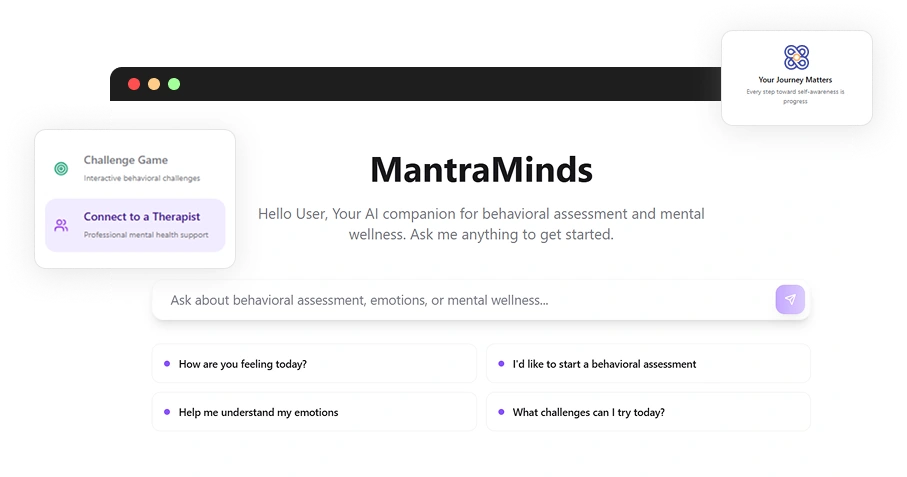
Book An Appointment with a Therapist
Take the first step towards better mental health. Our licensed therapists are here to provide personalized support and guidance on your journey to wellness.
Feel Better with the Best-Rated Apps
Find out how mental health apps can boost your mood and help you grow.

Betterhelp
- CBT Training, Meditation, Virtual Therapy

Talkspace
- Couples Counseling, Guided Meditations, Mindfulness

Youper
- Mental Health Advocacy, Mindfulness, Mood Tracking

MindShift CBT
- Anxiety

Headspace
- Guided Meditations, Sleep Aid, Sleep Hygiene
Top Related Articles

A Simpler Way to Live Well
Subscribe Our Newsletter
Topics A-Z
- Academic Pressure
- Acrophobia (Fear of Heights)
- ADHD
- Adjustment Disorders
- Agoraphobia (Fear of Open or Crowded Spaces)
- Ailurophobia (Fear of Cats)
- Anger and Aggression
- Anorexia Nervosa
- Antisocial Personality Disorder
- Anxiety
- Arachnophobia (Fear of Spiders)
- Astraphobia (Fear of Thunder & Lightning)
- Attachment Issues
- Autism Spectrum Disorder (ASD)
- Aviophobia (Fear of Flying)
- Behavioural Disorder
- Bipolar Disorder
- Body Dysmorphic Disorder
- Borderline Personality Disorder
- Bulimia Nervosa
- Chronic Stress
- Claustrophobia
- Compulsive Behaviors
- Conduct Disorder
- Conversion Disorder
- Cynophobia (Fear of Dogs)
- Depression
- Dermatillomania (Skin-Picking Disorder)
- Digital Cyber Bullying
- Disruptive Mood Dysregulation Disorder (DMDD)
- Dissociation
- Eating Disorders
- Emetophobia (Fear of Vomiting)
- Emotional and Behavioral Disorders
- Emotional Dysregulation
- Entomophobia (Fear of Insects)
- Exposure to Trauma
- Factitious Disorder
- Fear of Failure
- Gambling Disorder
- Gaming Disorder
- Gender Dysphoria
- Generalized Anxiety Disorder
- Grief and Loss
- Guilt and Shame
- Hemophobia (Fear of Blood)
- Homelessness
- Hypervigilance
- Identity Issues
- Insomnia Disorder
- Intellectual Disabilities (e.g., Down syndrome)
- Intermittent Explosive Disorder
- Intrusive Thoughts
- Lack of Social Support
- Learning Disabilities (e.g., Dyslexia)
- Learning Disorders (e.g. Dyscalculia)
- Loneliness
- Low Self-Esteem
- Mild Cognitive Impairment
- Mysophobia (Fear of Germs)
- Narcissistic Personality Disorder
- Narcolepsy
- Negative Body Image/Self-Esteem Issues
- Nocturnal Panic Attacks
- Non-Suicidal Self-injury (NSSI)
- Nyctophobia (Fear of the Dark)
- Obsessive Thoughts
- Obsessive-Compulsive Disorder (OCD)
- Ophidiophobia (Fear of Snakes)
- Oppositional Defiant Disorder (ODD)
- Parental Mental Health Issues
- Peer Pressure
- Perfectionism
- Personality Disorders
- Phobias
- Post-Traumatic Stress Disorder (PTSD)
- Premenstrual Dysphoric Disorder (PMDD)
- Pyrophobia (Fear of Fire)
- Reactive Attachment Disorder
- School Refusal (School Phobia)
- Selective Mutism
- Separation Anxiety Disorder
- Situationally Bound (Cued) Panic Attacks
- Situationally Predisposed Panic Attacks
- Sleep Disorders
- Social Anxiety
- Social Isolation
- Social Media Addiction
- Specific Phobias
- Speech and Language Disorders
- Stress
- Tic Disorders (Tourette Syndrome)
- Tourette Syndrome
- Trichotillomania (Hair-Pulling Disorder)
- Trypanophobia (Fear of Needles)
- Unemployment (family or self)
- Unexpected Panic Attacks
- Unresolved Trauma
- Zoophobia (Fear of Animals)

Revolutionizing mental healthcare through innovative technology solutions.
Follow Us
© 2025 MantraMinds. All rights reserved. Our website services, content, and products are for informational purposes only. MantraMinds does not provide medical advice, diagnosis, or treatment. See additional information.