Toll Free Number: 1800 891 4416
Emergency Number: 14416
Overview
Intellectual disability, also referred to as intellectual developmental disorder, is a neurodevelopmental condition characterized by limitations in intellectual functioning and adaptive skills such as communication, learning, problem-solving, and daily living activities.
At MantraMinds, we provide structured, evidence-based support and therapy for individuals with mild, moderate, severe, and profound intellectual disability, along with guidance for families and caregivers. Our approach focuses on early identification, individualized therapy planning, and long-term developmental support.
Early diagnosis and intervention play a critical role in improving functional outcomes, independence, and quality of life.
What Is Intellectual Disability?
Intellectual disability is a lifelong condition involving below-average intellectual functioning combined with difficulties in adaptive behavior. These challenges typically begin during the developmental period (childhood or adolescence).
Intellectual disability affects learning, reasoning, social understanding, and practical skills. The level of support required varies depending on severity and individual needs.
Intellectual Disability and Development
Developmental intellectual disability affects cognitive and adaptive development across multiple domains, including:
- Communication and language
- Social interaction
- Academic learning
- Daily self-care skills
With appropriate therapy and structured support, many individuals can develop meaningful skills and improve independence.
Signs and Symptoms of Intellectual Disability
Common signs of intellectual disability may include:
- Delayed developmental milestones
- Difficulty learning new skills
- Limited problem-solving ability
- Challenges with communication
- Difficulty with daily living activities
Symptoms vary by severity and age.
Types of Intellectual Disability
Intellectual disability is categorized based on level of functioning and support needs.
Mild Intellectual Disability
Mild intellectual disability involves limitations in academic learning and adaptive skills but allows for relative independence with support.
Mild intellectual disability symptoms may include:
- Slower learning pace
- Difficulty with complex problem-solving
- Challenges in academic settings
Moderate Intellectual Disability
Moderate intellectual disability affects communication, learning, and daily functioning more noticeably.
Moderate intellectual disability symptoms may include:
- Limited academic progress
- Need for ongoing educational and daily living support
- Difficulty with social judgment
Severe Intellectual Disability
Severe intellectual disability involves significant limitations in intellectual and adaptive functioning.
Severe intellectual disability symptoms may include:
- Minimal communication abilities
- Dependence on caregivers for daily activities
- Limited understanding of instructions
Profound Intellectual Disability
Profound intellectual disability is characterized by very limited cognitive functioning and high levels of support needs across all areas of life.
Causes of Intellectual Disability
The causes of intellectual disability are diverse and may occur before, during, or after birth.
Common Causes Include:
- Genetic causes of intellectual disability
- Prenatal causes of intellectual disability, such as infections or substance exposure
- Birth complications and intellectual disability, including oxygen deprivation
- Brain injury and intellectual disability
- Severe early childhood illness or trauma
Understanding causes helps guide care planning and family support.
Assessment and Diagnosis
Early diagnosis and treatment of intellectual disability are essential for effective intervention. Professional evaluation may include:
- Developmental and cognitive assessment
- Medical and family history
- Behavioral and adaptive functioning evaluation
- Educational and speech-language assessments
Online tools may offer preliminary insight but do not replace professional evaluation.
Intellectual Disability Treatment and Therapy Options
There is no single cure for intellectual disability, but structured therapy significantly improves functioning and quality of life.
Intellectual Disability Therapy Programs
Individualized therapy programs focus on skill development, independence, and adaptive functioning.
Behavioural Therapy for Intellectual Disability
Behavioral therapy supports:
- Emotional regulation
- Social skill development
- Reduction of challenging behaviors
- Positive reinforcement strategies
Speech Therapy for Intellectual Disability
Speech therapy helps improve:
- Communication skills
- Language development
- Social interaction abilities
Occupational Therapy for Intellectual Disability
Occupational therapy focuses on:
- Daily living skills
- Motor coordination
- Sensory integration
- Independence in routine activities
Special Education and Early Intervention
Special education for intellectual disability and early intervention for intellectual disability are critical for children to maximize developmental potential.
Early support may include:
- Individualized education plans
- Family-guided therapy
- Multidisciplinary developmental care
Counselling and Family Support
Intellectual Disability Counselling
Counselling supports emotional well-being and helps individuals and families manage challenges related to intellectual disability.
Parent Support and Family Care
Support for families includes:
- Parent education and guidance
- Care planning strategies
- Emotional and psychological support
Support for families of individuals with intellectual disability improves long-term outcomes.
Online Therapy and Virtual Support
MantraMinds offers accessible care through:
- Online counselling for intellectual disability
- Online therapy for intellectual disability
- Virtual support for intellectual disability
- Intellectual disability support online
These services allow families to receive consistent professional guidance.
Intellectual Disability Care Plan
An intellectual disability care plan is tailored to individual needs and may include:
- Therapy goals and progress tracking
- Educational and developmental support
- Family involvement strategies
- Long-term functional planning
When Should You Seek Professional Help?
You should seek professional support if:
- Developmental delays are noticeable
- Learning or communication difficulties persist
- Adaptive functioning is limited
- Families require guidance or support
Early intervention significantly improves developmental outcomes.
Why Choose MantraMinds
At MantraMinds, we provide compassionate, structured care for individuals with intellectual disability and their families. Our approach emphasizes:
- Comprehensive developmental assessment
- Evidence-based therapy programs
- Multidisciplinary support
- Ethical, confidential care
We focus on long-term development, dignity, and quality of life.
Take the First Step Toward Support
Intellectual disability is a lifelong condition, but with early intervention, therapy, and family support, individuals can achieve meaningful growth and improved independence.
Take Assessment
Confidential • Assessment does not replace diagnosis
Disclaimer
This content is for educational purposes only and does not replace professional medical advice, diagnosis, or treatment. Always consult qualified professionals for assessment and care planning.
Care at MantraMinds
When cognitive limitations begin to affect learning, independence, or everyday functioning, MantraMinds helps guide individuals and families toward appropriate assessment, support, and long-term care planning.

Take an online
Intellectual Disability Assessment
Get a personalized report full of recommendations and resources to get help.
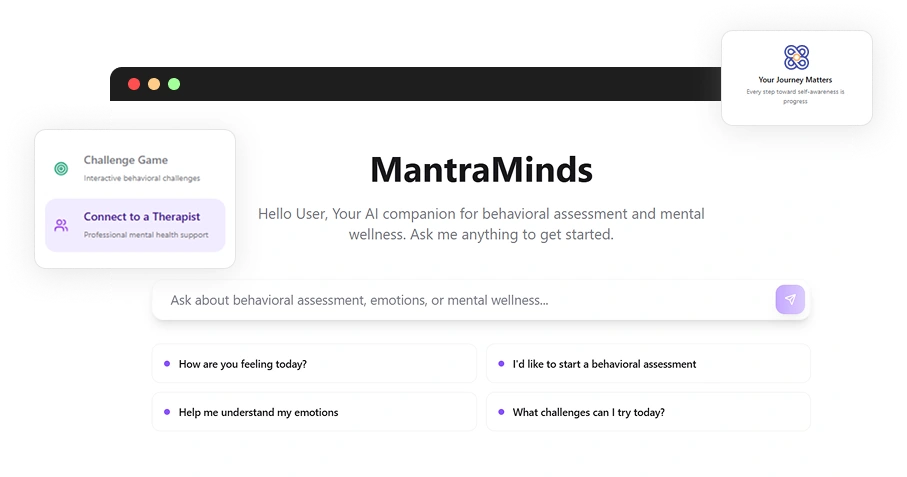
Book An Appointment with a Therapist
Take the first step towards better mental health. Our licensed therapists are here to provide personalized support and guidance on your journey to wellness.
Feel Better with the Best-Rated Apps
Find out how mental health apps can boost your mood and help you grow.

Headspace
- Guided Meditations, Sleep Aid, Sleep Hygiene

DayOne
- Anxiety, Bipolar Disorder, CBT Training, Mindfulness

Talkspace
- Couples Counseling, Guided Meditations, Mindfulness

Betterhelp
- CBT Training, Meditation, Virtual Therapy

AbleTo
- CBT, CBT Training, Depression, Educational Courses

A Simpler Way to Live Well
Subscribe Our Newsletter
Topics A-Z
- Academic Pressure
- Acrophobia (Fear of Heights)
- ADHD
- Adjustment Disorders
- Agoraphobia (Fear of Open or Crowded Spaces)
- Ailurophobia (Fear of Cats)
- Anger and Aggression
- Anorexia Nervosa
- Antisocial Personality Disorder
- Anxiety
- Arachnophobia (Fear of Spiders)
- Astraphobia (Fear of Thunder & Lightning)
- Attachment Issues
- Autism Spectrum Disorder (ASD)
- Aviophobia (Fear of Flying)
- Behavioural Disorder
- Bipolar Disorder
- Body Dysmorphic Disorder
- Borderline Personality Disorder
- Bulimia Nervosa
- Chronic Stress
- Claustrophobia
- Compulsive Behaviors
- Conduct Disorder
- Conversion Disorder
- Cynophobia (Fear of Dogs)
- Depression
- Dermatillomania (Skin-Picking Disorder)
- Digital Cyber Bullying
- Disruptive Mood Dysregulation Disorder (DMDD)
- Dissociation
- Eating Disorders
- Emetophobia (Fear of Vomiting)
- Emotional and Behavioral Disorders
- Emotional Dysregulation
- Entomophobia (Fear of Insects)
- Exposure to Trauma
- Factitious Disorder
- Fear of Failure
- Gambling Disorder
- Gaming Disorder
- Gender Dysphoria
- Generalized Anxiety Disorder
- Grief and Loss
- Guilt and Shame
- Hemophobia (Fear of Blood)
- Homelessness
- Hypervigilance
- Identity Issues
- Insomnia Disorder
- Intellectual Disabilities (e.g., Down syndrome)
- Intermittent Explosive Disorder
- Intrusive Thoughts
- Lack of Social Support
- Learning Disabilities (e.g., Dyslexia)
- Learning Disorders (e.g. Dyscalculia)
- Loneliness
- Low Self-Esteem
- Mild Cognitive Impairment
- Mysophobia (Fear of Germs)
- Narcissistic Personality Disorder
- Narcolepsy
- Negative Body Image/Self-Esteem Issues
- Nocturnal Panic Attacks
- Non-Suicidal Self-injury (NSSI)
- Nyctophobia (Fear of the Dark)
- Obsessive Thoughts
- Obsessive-Compulsive Disorder (OCD)
- Ophidiophobia (Fear of Snakes)
- Oppositional Defiant Disorder (ODD)
- Parental Mental Health Issues
- Peer Pressure
- Perfectionism
- Personality Disorders
- Phobias
- Post-Traumatic Stress Disorder (PTSD)
- Premenstrual Dysphoric Disorder (PMDD)
- Pyrophobia (Fear of Fire)
- Reactive Attachment Disorder
- School Refusal (School Phobia)
- Selective Mutism
- Separation Anxiety Disorder
- Situationally Bound (Cued) Panic Attacks
- Situationally Predisposed Panic Attacks
- Sleep Disorders
- Social Anxiety
- Social Isolation
- Social Media Addiction
- Specific Phobias
- Speech and Language Disorders
- Stress
- Tic Disorders (Tourette Syndrome)
- Tourette Syndrome
- Trichotillomania (Hair-Pulling Disorder)
- Trypanophobia (Fear of Needles)
- Unemployment (family or self)
- Unexpected Panic Attacks
- Unresolved Trauma
- Zoophobia (Fear of Animals)

Revolutionizing mental healthcare through innovative technology solutions.
Follow Us
© 2025 MantraMinds. All rights reserved. Our website services, content, and products are for informational purposes only. MantraMinds does not provide medical advice, diagnosis, or treatment. See additional information.