Toll Free Number: 1800 891 4416
Emergency Number: 14416
Overview
Eating disorders are serious mental health conditions that affect how individuals perceive, manage, and relate to food, body image, and weight. Eating disorders may cause persistent unhealthy eating behaviors, distorted body perception, binge eating, purging, or extreme restriction, interfering with physical health, emotional well-being, and daily functioning.
At MantraMinds, we provide structured, evidence-based eating disorder treatment to support individuals experiencing a wide range of eating-related challenges, including binge eating disorder, anorexia nervosa, bulimia nervosa, pica, and other conditions.
If left untreated, eating disorder symptoms may worsen over time and increase the risk of malnutrition, cardiovascular complications, digestive problems, anxiety, depression, and social withdrawal. Early recognition and professional support are essential for long-term recovery and improved quality of life.
What Is an Eating Disorder?
An eating disorder is a mental health condition characterized by abnormal or disordered eating behaviours, unhealthy thoughts about food or body image, and emotional distress related to eating. These disorders can affect anyone, regardless of age, gender, or background, and may have severe physical and psychological consequences.
Understanding Eating Disorders
Eating disorders involve a complex interplay of psychological, biological, and social factors. Individuals may experience compulsive overeating, food restriction, purging, or cravings for non-food items, such as in pica eating disorder. Understanding the types of eating disorders and their underlying mechanisms helps guide accurate eating disorder diagnosis and effective treatment for eating disorders.
Types of Eating Disorders
There are several types of eating disorders, each with distinct symptoms, causes, and treatment strategies.
Binge Eating Disorder (BED)
Binge eating disorder involves recurring episodes of eating large amounts of food in a short period, often accompanied by feelings of loss of control, guilt, or shame.
Binge eating disorder symptoms may include:
- Eating unusually large amounts of food in a short time
- Feeling out of control while eating
- Eating rapidly or in secret
- Emotional distress related to overeating
Binge eating disorder treatment may include psychotherapy, nutritional counseling, and medical support.
Anorexia Nervosa
Anorexia nervosa is characterized by extreme food restriction, fear of weight gain, and distorted body image.
Eating disorder anorexia symptoms may include:
- Severe weight loss or low body weight
- Preoccupation with food, calories, or body shape
- Excessive exercise or food restriction
- Health complications from malnutrition
Treatment typically involves therapy, medical monitoring, and nutritional rehabilitation.
Bulimia Nervosa & Purging Disorders
Bulimia nervosa involves recurrent episodes of binge eating followed by compensatory behaviors such as vomiting, laxative use, or excessive exercise. Purging eating disorder refers to purging behaviors without binge eating.
Symptoms may include:
- Recurrent binge episodes
- Self-induced vomiting or misuse of laxatives
- Emotional distress, shame, or secrecy around eating
Treatment may include psychotherapy, medical management, and nutritional guidance.
Pica Eating Disorder
Pica is a condition where individuals consume non-food substances, such as dirt, clay, or paper, over a period of time.
Pica eating disorder symptoms may include:
- Persistent eating of non-nutritive substances
- Health risks such as poisoning or intestinal blockages
- Behavioural or emotional distress
Pica eating disorder in adults requires careful medical and psychological evaluation.
Other Eating Disorders
Additional eating disorders may include:
- Overeating disorder
- Chronic restrictive eating patterns
- Mixed eating disorder conditions
Each condition requires professional evaluation to determine the most appropriate eating disorder treatment.
Signs and Symptoms of Eating Disorders
Eating disorder symptoms may vary depending on the type, but commonly include:
- Extreme concern about body weight or shape
- Abnormal eating behaviours (restriction, bingeing, purging)
- Preoccupation with food or dieting
- Emotional distress related to eating or body image
- Physical complications such as fatigue, digestive issues, or malnutrition
Early identification of signs of an eating disorder allows individuals to seek professional care before complications become severe.
What Causes Eating Disorders?
The causes of eating disorders are multifactorial and may involve:
- Genetic predisposition
- Psychological factors such as low self-esteem, anxiety, or perfectionism
- Cultural and societal pressure regarding body image
- Trauma, stress, or adverse life experiences
- Biological or neurological factors
Understanding contributing factors helps specialists design personalized and effective therapy for eating disorders.
Eating Disorder Diagnosis and Professional Evaluation
A proper eating disorder diagnosis is conducted by a qualified eating disorder doctor, psychologist, or specialist. This evaluation may include:
- Review of eating habits, history, and symptoms
- Psychological and medical assessment
- Nutritional and behavioral evaluation
- Administration of an eating disorder test or self-assessment
Early evaluation is crucial for identifying the type of eating disorder and planning effective treatment.
Eating Disorder Treatment Options
Effective eating disorder treatment is personalized and may include:
Psychotherapy / Therapy for Eating Disorders
Therapy is a primary treatment for most eating disorders. Approaches may include:
- Cognitive Behavioral Therapy (CBT) to address unhealthy thoughts and behaviors
- Family-based therapy, particularly for adolescents
- Group therapy or support networks
Therapy helps individuals understand triggers, develop healthy coping strategies, and rebuild a balanced relationship with food.
Medical and Nutritional Management
Medical support is essential for monitoring physical health, addressing complications, and guiding nutritional rehabilitation. Eating disorder doctors or clinics may collaborate with dietitians to restore healthy eating patterns.
Integrated Treatment Planning
Many individuals benefit from an integrated approach combining therapy, medical management, nutritional guidance, and lifestyle support. Integrated care focuses on:
- Reducing symptoms and relapse prevention
- Improving emotional regulation
- Restoring healthy eating behaviors
Early evaluation can improve recovery outcomes and prevent long-term physical and emotional complications.
Why Choose MantraMinds
At MantraMinds, we provide compassionate, structured care for individuals with eating disorders. Our approach emphasizes:
- Comprehensive assessment and accurate diagnosis
- Evidence-based eating disorder treatment
- Personalized treatment planning
- Confidential, ethical, professional support
We help individuals regain a healthy relationship with food, body, and self in a safe, supportive environment.
Take the First Step Toward Recovery
Eating disorders are treatable, and effective help is available. A professional assessment can help identify underlying issues and explore the most appropriate treatment options.
Take Assessment
Confidential • Assessment does not replace diagnosis
Disclaimer: This content is for educational purposes only and does not replace professional medical advice, diagnosis, or treatment. If you or someone you know is in crisis, seek immediate professional or emergency assistance.
Care at MantraMinds
When unhealthy eating patterns, bingeing, or purging begin affecting daily life, MantraMinds can help you understand what’s happening and guide you toward professional treatment.
Take an online
Eating Disorder Assessment
Get a personalized report full of recommendations and resources to get help.
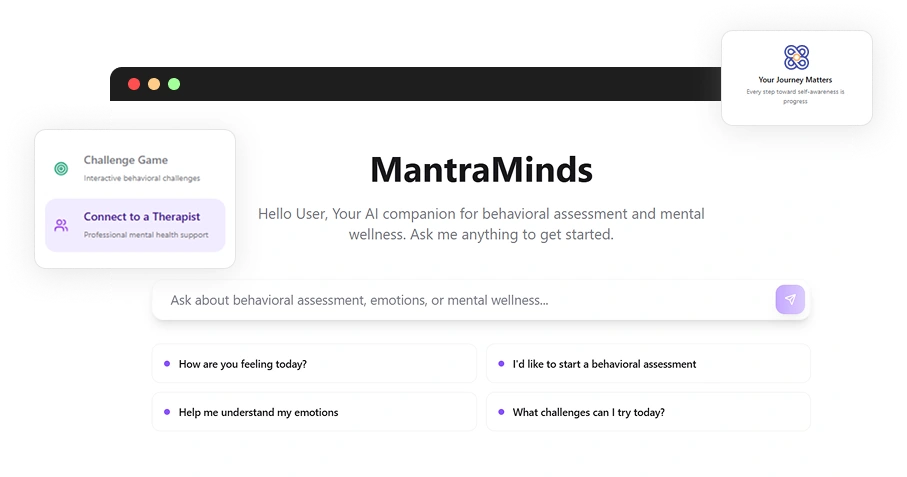
Book An Appointment with a Therapist
Take the first step towards better mental health. Our licensed therapists are here to provide personalized support and guidance on your journey to wellness.
Feel Better with the Best-Rated Apps
Find out how mental health apps can boost your mood and help you grow.

MindShift CBT
- Anxiety
Top Related Articles

A Simpler Way to Live Well
Subscribe Our Newsletter
Topics A-Z
- Academic Pressure
- Acrophobia (Fear of Heights)
- ADHD
- Adjustment Disorders
- Agoraphobia (Fear of Open or Crowded Spaces)
- Ailurophobia (Fear of Cats)
- Anger and Aggression
- Anorexia Nervosa
- Antisocial Personality Disorder
- Anxiety
- Arachnophobia (Fear of Spiders)
- Astraphobia (Fear of Thunder & Lightning)
- Attachment Issues
- Autism Spectrum Disorder (ASD)
- Aviophobia (Fear of Flying)
- Behavioural Disorder
- Bipolar Disorder
- Body Dysmorphic Disorder
- Borderline Personality Disorder
- Bulimia Nervosa
- Chronic Stress
- Claustrophobia
- Compulsive Behaviors
- Conduct Disorder
- Conversion Disorder
- Cynophobia (Fear of Dogs)
- Depression
- Dermatillomania (Skin-Picking Disorder)
- Digital Cyber Bullying
- Disruptive Mood Dysregulation Disorder (DMDD)
- Dissociation
- Eating Disorders
- Emetophobia (Fear of Vomiting)
- Emotional and Behavioral Disorders
- Emotional Dysregulation
- Entomophobia (Fear of Insects)
- Exposure to Trauma
- Factitious Disorder
- Fear of Failure
- Gambling Disorder
- Gaming Disorder
- Gender Dysphoria
- Generalized Anxiety Disorder
- Grief and Loss
- Guilt and Shame
- Hemophobia (Fear of Blood)
- Homelessness
- Hypervigilance
- Identity Issues
- Insomnia Disorder
- Intellectual Disabilities (e.g., Down syndrome)
- Intermittent Explosive Disorder
- Intrusive Thoughts
- Lack of Social Support
- Learning Disabilities (e.g., Dyslexia)
- Learning Disorders (e.g. Dyscalculia)
- Loneliness
- Low Self-Esteem
- Mild Cognitive Impairment
- Mysophobia (Fear of Germs)
- Narcissistic Personality Disorder
- Narcolepsy
- Negative Body Image/Self-Esteem Issues
- Nocturnal Panic Attacks
- Non-Suicidal Self-injury (NSSI)
- Nyctophobia (Fear of the Dark)
- Obsessive Thoughts
- Obsessive-Compulsive Disorder (OCD)
- Ophidiophobia (Fear of Snakes)
- Oppositional Defiant Disorder (ODD)
- Parental Mental Health Issues
- Peer Pressure
- Perfectionism
- Personality Disorders
- Phobias
- Post-Traumatic Stress Disorder (PTSD)
- Premenstrual Dysphoric Disorder (PMDD)
- Pyrophobia (Fear of Fire)
- Reactive Attachment Disorder
- School Refusal (School Phobia)
- Selective Mutism
- Separation Anxiety Disorder
- Situationally Bound (Cued) Panic Attacks
- Situationally Predisposed Panic Attacks
- Sleep Disorders
- Social Anxiety
- Social Isolation
- Social Media Addiction
- Specific Phobias
- Speech and Language Disorders
- Stress
- Tic Disorders (Tourette Syndrome)
- Tourette Syndrome
- Trichotillomania (Hair-Pulling Disorder)
- Trypanophobia (Fear of Needles)
- Unemployment (family or self)
- Unexpected Panic Attacks
- Unresolved Trauma
- Zoophobia (Fear of Animals)

Revolutionizing mental healthcare through innovative technology solutions.
Follow Us
© 2025 MantraMinds. All rights reserved. Our website services, content, and products are for informational purposes only. MantraMinds does not provide medical advice, diagnosis, or treatment. See additional information.