Toll Free Number: 1800 891 4416
Emergency Number: 14416
Overview
Bipolar disorder, also known as bipolar affective disorder or bipolar mood disorder, is a mental health condition marked by extreme mood swings that include emotional highs (mania or hypomania) and lows (depression). These fluctuations can significantly impact work, relationships, sleep patterns, energy levels, and overall quality of life.
At MantraMinds, we provide structured, evidence-based bipolar disorder treatment to support individuals with Bipolar I disorder, Bipolar II disorder, rapid cycling bipolar disorder, and related conditions.
When left untreated, bipolar disorder symptoms can worsen over time, increasing the risk of anxiety, substance use, suicidal thoughts, and functional impairment. Early recognition, accurate bipolar disorder diagnosis, and professional intervention play a crucial role in long-term stability and recovery.
What Is Bipolar Disorder?
Bipolar disorder is a mental health condition characterized by extreme and often unpredictable mood changes, ranging from periods of elevated energy and activity (manic bipolar disorder) to episodes of profound sadness or low energy (bipolar depression).
Understanding these mood patterns is essential for accurate bipolar disorder diagnosis and treatment.
Understanding Bipolar Disorder
Bipolar disorder involves complex interactions between genetics, brain chemistry, and environmental factors. Mood episodes may include:
- Mania or hypomania: heightened energy, euphoria, irritability, reduced need for sleep
- Depression: persistent sadness, low energy, difficulty concentrating, feelings of worthlessness
Symptoms can vary in intensity and duration and may affect men and women differently. Proper evaluation is key to identifying the type and severity of the disorder.
Types of Bipolar Disorder
There are several types of bipolar disorder, each with distinct features and treatment considerations:
Bipolar I Disorder
Bipolar I disorder involves one or more manic episodes that last at least 7 days or require hospitalization, often accompanied by depressive episodes.
Symptoms may include:
- Elevated mood or irritability
- Increased energy and activity
- Impulsive or risky behavior
- Difficulty concentrating
Treatment often combines therapy, medication, and lifestyle management.
Bipolar II Disorder
Bipolar II disorder involves hypomanic episodes (less severe than full mania) and major depressive episodes.
Symptoms may include:
- Mood elevation without severe impairment
- Depressive episodes with low energy, sadness, and loss of interest
- Emotional instability and irritability
Early intervention and therapy can reduce the risk of progression to severe episodes.
Rapid Cycling Bipolar Disorder
Rapid cycling bipolar disorder is characterized by four or more mood episodes within a year, alternating between mania and depression.
Treatment focuses on:
- Mood stabilizers
- Psychotherapy
- Lifestyle and behavioural interventions
Other Bipolar Conditions
Additional conditions include:
- Bipolar personality disorder
- Mixed bipolar disorder (symptoms of mania and depression simultaneously)
Each type requires specialized evaluation for accurate bipolar disorder treatment planning.
Signs and Symptoms of Bipolar Disorder
Common bipolar disorder symptoms include:
- Extreme mood swings between high energy and low mood
- Changes in sleep patterns, appetite, or activity levels
- Impulsive or risky behavior during manic phases
- Difficulty concentrating or making decisions
- Emotional distress or social withdrawal during depressive phases
Recognizing early signs is critical to seeking timely help.
Causes of Bipolar Disorder
Bipolar disorder causes are multifactorial:
- Genetic predisposition (is bipolar disorder genetic)
- Brain chemistry and neurotransmitter imbalances
- Stressful life events or trauma
- Environmental and psychological factors
Understanding contributing factors helps professionals design effective, personalized treatment plans.
Bipolar Disorder Diagnosis and Professional Evaluation
A proper bipolar disorder diagnosis is conducted by a qualified bipolar disorder doctor, psychiatrist, or psychologist. Evaluation may include:
- Review of current and past symptoms
- Psychological and medical history assessment
- Mood tracking and standardized bipolar disorder tests
- Identification of co-occurring conditions such as anxiety or substance use
Early and accurate diagnosis is key to effective therapy treatment for bipolar disorder.
Bipolar Disorder Treatment Options
Effective bipolar disorder treatment is personalized and may include:
Psychotherapy / Therapy for Bipolar Disorder
Therapy helps individuals understand mood triggers, manage stress, and reduce relapse risk. Common approaches include:
- Cognitive Behavioral Therapy (CBT)
- Interpersonal and Social Rhythm Therapy (IPSRT)
- Family-focused therapy
- Group therapy
Medication Management
Medications may include mood stabilizers, antipsychotics, or antidepressants depending on the type and severity of episodes. Regular monitoring by a bipolar disorder psychiatrist is essential for safety and effectiveness.
Integrated Care Planning
Integrated care combines therapy, medication, and lifestyle interventions, focusing on:
- Mood stabilization and symptom reduction
- Preventing relapses
- Enhancing daily functioning and quality of life
When Should You See a Specialist?
Seek professional support if:
- Mood swings interfere with work, relationships, or daily life
- Symptoms persist, worsen, or cycle rapidly
- You experience suicidal thoughts or severe depression
- There is a family history of bipolar disorder
Early intervention improves long-term outcomes and reduces the risk of complications.
Why Choose MantraMinds
At MantraMinds, we provide compassionate, structured care for individuals with bipolar disorder. Our approach emphasizes:
- Comprehensive assessment and accurate diagnosis
- Evidence-based bipolar disorder treatment
- Personalized therapy and medication planning
- Professional, ethical, and confidential support
We help individuals stabilize moods, regain control, and improve overall emotional well-being.
Take the First Step Toward Stability
Bipolar disorder is a treatable mental health condition. Professional assessment can guide effective therapy, medication, and lifestyle strategies for long-term recovery.
Take Assessment
Confidential • Assessment does not replace diagnosis
Disclaimer: This content is for educational purposes only and does not replace professional medical advice, diagnosis, or treatment. Seek immediate help if experiencing thoughts of self-harm or severe distress.
Care at MantraMinds
When mood swings, manic episodes, or depressive symptoms interfere with daily life, MantraMinds can provide professional evaluation, therapy, and treatment guidance.

Take an online
Bipolar Disorder Assessment
Get a personalized report full of recommendations and resources to get help.
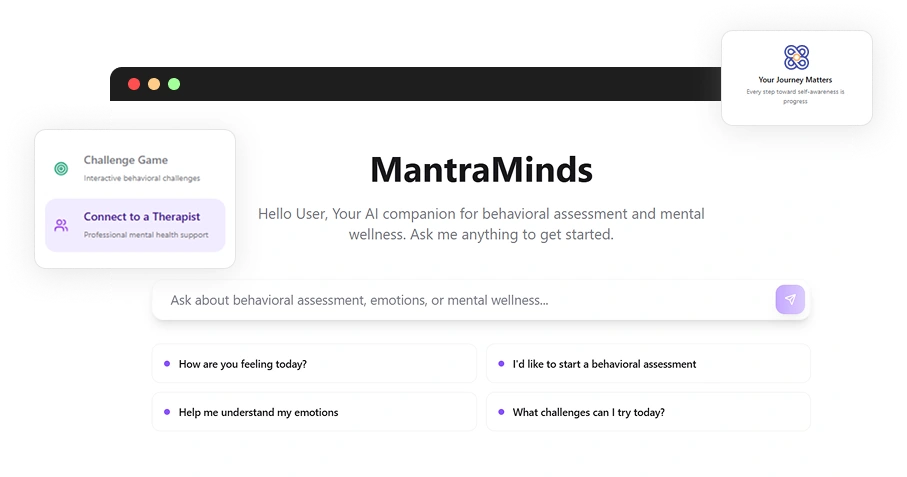
Book An Appointment with a Therapist
Take the first step towards better mental health. Our licensed therapists are here to provide personalized support and guidance on your journey to wellness.
Feel Better with the Best-Rated Apps
Find out how mental health apps can boost your mood and help you grow.

Betterhelp
- CBT Training, Meditation, Virtual Therapy

Talkspace
- Couples Counseling, Guided Meditations, Mindfulness

Moodfit
- Bipolar Disorder, CBT Training, Relaxation, Self Help

Youper
- Mental Health Advocacy, Mindfulness, Mood Tracking

A Simpler Way to Live Well
Subscribe Our Newsletter
Topics A-Z
- Academic Pressure
- Acrophobia (Fear of Heights)
- ADHD
- Adjustment Disorders
- Agoraphobia (Fear of Open or Crowded Spaces)
- Ailurophobia (Fear of Cats)
- Anger and Aggression
- Anorexia Nervosa
- Antisocial Personality Disorder
- Anxiety
- Arachnophobia (Fear of Spiders)
- Astraphobia (Fear of Thunder & Lightning)
- Attachment Issues
- Autism Spectrum Disorder (ASD)
- Aviophobia (Fear of Flying)
- Behavioural Disorder
- Bipolar Disorder
- Body Dysmorphic Disorder
- Borderline Personality Disorder
- Bulimia Nervosa
- Chronic Stress
- Claustrophobia
- Compulsive Behaviors
- Conduct Disorder
- Conversion Disorder
- Cynophobia (Fear of Dogs)
- Depression
- Dermatillomania (Skin-Picking Disorder)
- Digital Cyber Bullying
- Disruptive Mood Dysregulation Disorder (DMDD)
- Dissociation
- Eating Disorders
- Emetophobia (Fear of Vomiting)
- Emotional and Behavioral Disorders
- Emotional Dysregulation
- Entomophobia (Fear of Insects)
- Exposure to Trauma
- Factitious Disorder
- Fear of Failure
- Gambling Disorder
- Gaming Disorder
- Gender Dysphoria
- Generalized Anxiety Disorder
- Grief and Loss
- Guilt and Shame
- Hemophobia (Fear of Blood)
- Homelessness
- Hypervigilance
- Identity Issues
- Insomnia Disorder
- Intellectual Disabilities (e.g., Down syndrome)
- Intermittent Explosive Disorder
- Intrusive Thoughts
- Lack of Social Support
- Learning Disabilities (e.g., Dyslexia)
- Learning Disorders (e.g. Dyscalculia)
- Loneliness
- Low Self-Esteem
- Mild Cognitive Impairment
- Mysophobia (Fear of Germs)
- Narcissistic Personality Disorder
- Narcolepsy
- Negative Body Image/Self-Esteem Issues
- Nocturnal Panic Attacks
- Non-Suicidal Self-injury (NSSI)
- Nyctophobia (Fear of the Dark)
- Obsessive Thoughts
- Obsessive-Compulsive Disorder (OCD)
- Ophidiophobia (Fear of Snakes)
- Oppositional Defiant Disorder (ODD)
- Parental Mental Health Issues
- Peer Pressure
- Perfectionism
- Personality Disorders
- Phobias
- Post-Traumatic Stress Disorder (PTSD)
- Premenstrual Dysphoric Disorder (PMDD)
- Pyrophobia (Fear of Fire)
- Reactive Attachment Disorder
- School Refusal (School Phobia)
- Selective Mutism
- Separation Anxiety Disorder
- Situationally Bound (Cued) Panic Attacks
- Situationally Predisposed Panic Attacks
- Sleep Disorders
- Social Anxiety
- Social Isolation
- Social Media Addiction
- Specific Phobias
- Speech and Language Disorders
- Stress
- Tic Disorders (Tourette Syndrome)
- Tourette Syndrome
- Trichotillomania (Hair-Pulling Disorder)
- Trypanophobia (Fear of Needles)
- Unemployment (family or self)
- Unexpected Panic Attacks
- Unresolved Trauma
- Zoophobia (Fear of Animals)

Revolutionizing mental healthcare through innovative technology solutions.
Follow Us
© 2025 MantraMinds. All rights reserved. Our website services, content, and products are for informational purposes only. MantraMinds does not provide medical advice, diagnosis, or treatment. See additional information.